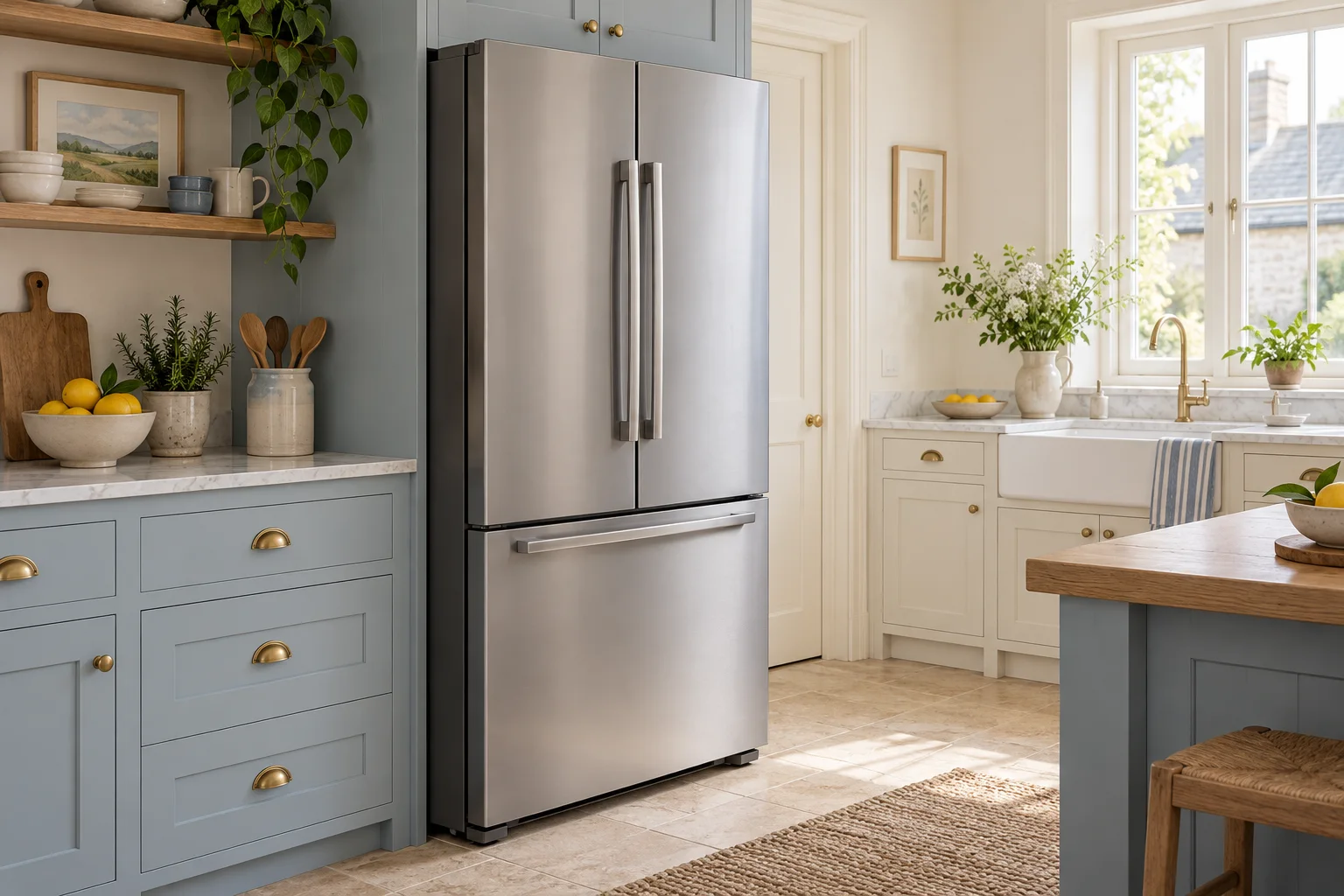
Keep annual energy and per-cycle figures out of the same column
Convert consumption values to a matching period before adding or comparing them.
Updated:

Copy the unit with every number
Energy Saving Trust explains that washing-machine and dishwasher label electricity figures are expressed per 100 cycles on their stated programme bases. A comparison that records only the numbers loses essential information. Keep the unit, programme and exact model beside each value before attempting any calculation.
A refrigerator's stated annual figure, when that is the unit on its actual information, belongs in a different field from a washing-machine per-100-cycle figure. Do not assume every energy-related number is annual simply because you want an annual budget. The model document should establish what the value means.
Convert the cycle-based part to your planned period
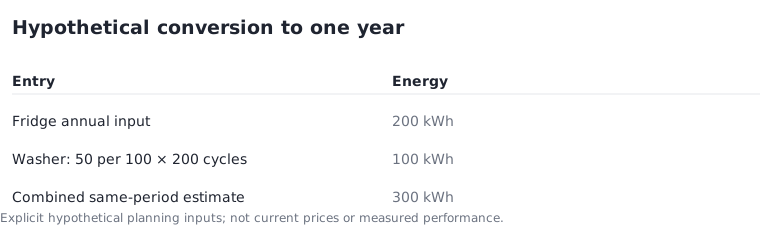
For an invented example, suppose a washing-machine figure is 50 kWh per 100 cycles and you plan 200 cycles during the year. The corresponding arithmetic estimate is 100 kWh. If a separate refrigerator input is already 200 kWh per year, the two values now describe the same chosen period and total 300 kWh.
Adding the raw numbers 50 and 200 would produce 250, but that total would mix different bases. These hypothetical values are not specifications for the appliances pictured. The calculation illustrates unit handling, not a measured annual household total or a promise about actual consumption.
Keep the appliance tasks visible
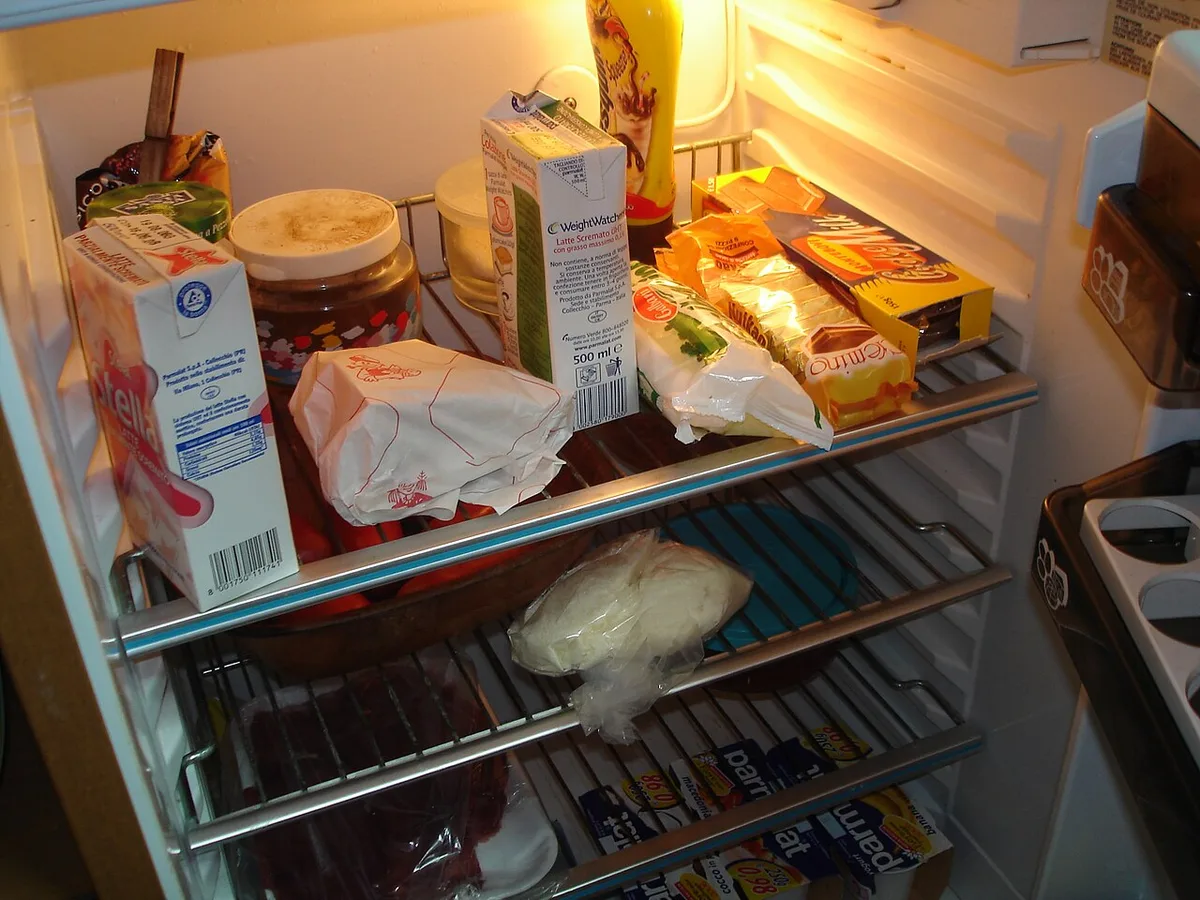
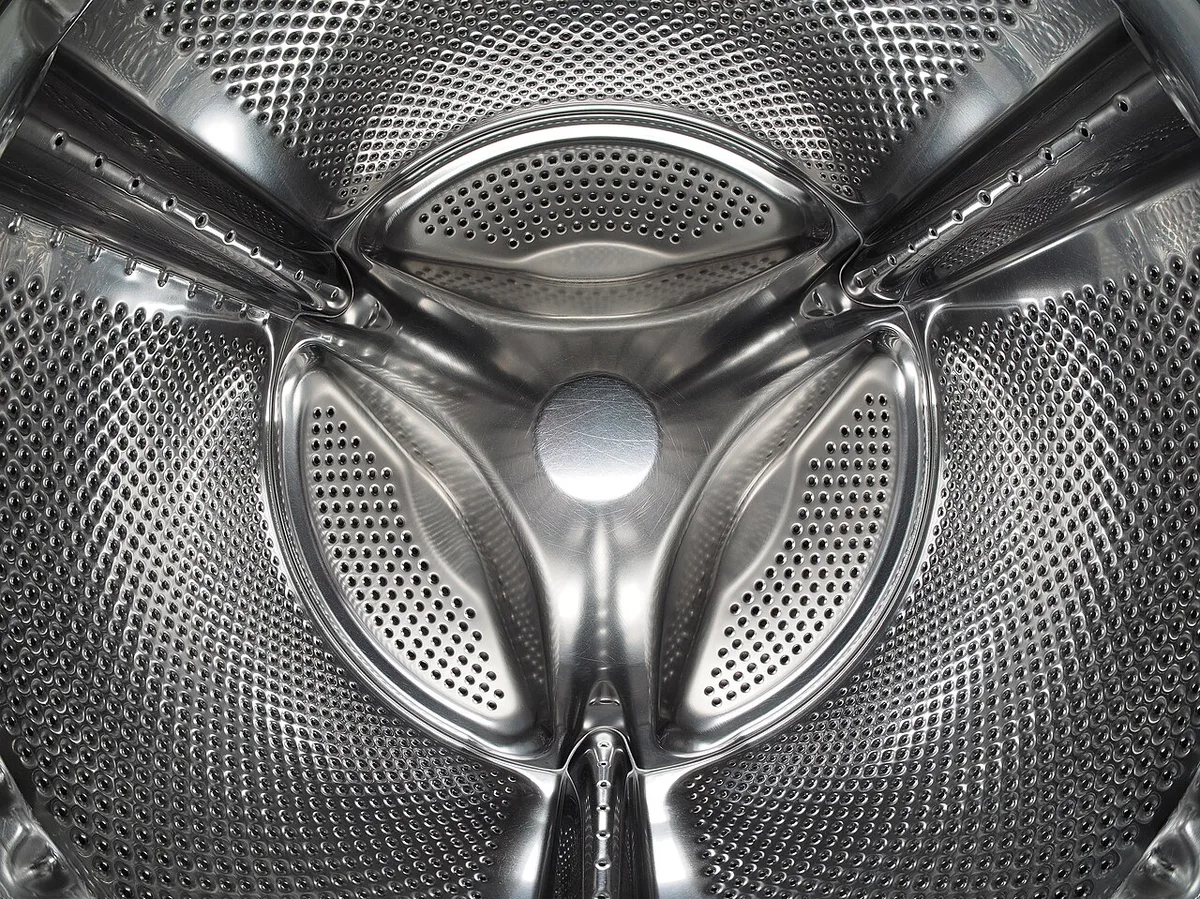
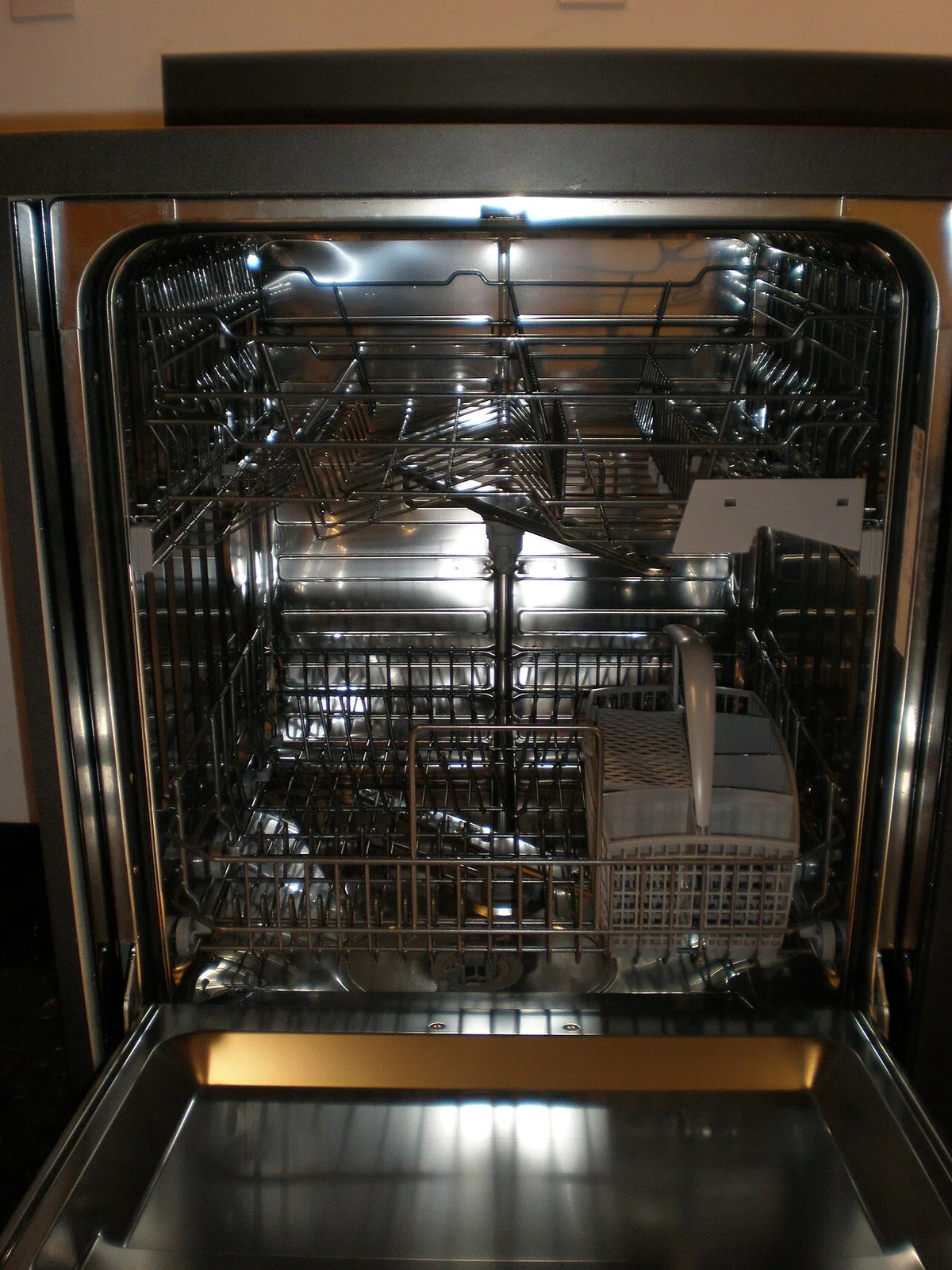
The refrigerator interior, washing-machine drum and dishwasher photographs represent different household tasks. They are included to make the distinction visible rather than imply that their energy figures have been measured. A similar-looking appliance cannot be assigned another model's consumption value.
Make one row for each appliance and state the period or cycle count used to scale it. If a combined washer-dryer figure already includes washing, do not add a separate washing estimate for the same sequence. A clear scope prevents double-counting before any tariff is applied, and makes missing information easier to identify.
Apply one rate only as an explicit simplification
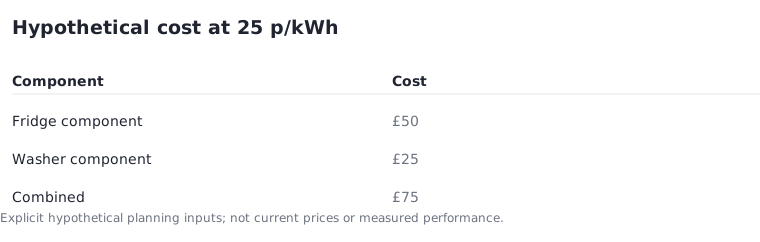
At an assumed 25 pence per kWh, the hypothetical combined 300 kWh total costs £75. The refrigerator component of 200 kWh contributes £50 and the washing component of 100 kWh contributes £25. The figures exclude standing charges and all non-electricity costs.
A single rate is a simplification if the tariff changes or different time periods have different rates. Use the appropriate values for your own situation and avoid presenting the example as the current price cap. The purpose is a traceable estimate whose assumptions can be changed, not a universal annual cost for a type of appliance.
Save the source and the conversion
GOV.UK describes product information sheets as part of the information supplied with regulated appliances. Keep the original value and its source alongside the converted result. This lets you correct a cycle count or tariff without losing the basis from which the estimate was calculated.
For an assumed additional dishwasher input of 60 kWh per 100 cycles over 100 planned cycles, add 60 kWh to the earlier 300, giving 360 kWh and £90 at 25 pence. That extension is valid only for the stated example scope. It does not establish total household electricity use or account for other appliances, programmes or real-use variation.
GOV.UK: energy information and current tumble dryer labelling ?