Build an appliance shortlist with the unanswered questions visible
Compare fit, routine, label information and complete cost without inventing a test score.
Updated:

Define the task and the non-negotiable fit
Energy Saving Trust advises considering the size needed alongside appliance efficiency information. Begin the shortlist with the actual household task and the space available, rather than selecting the largest capacity or highest letter grade in isolation. Write down the constraints that would make a model unsuitable.
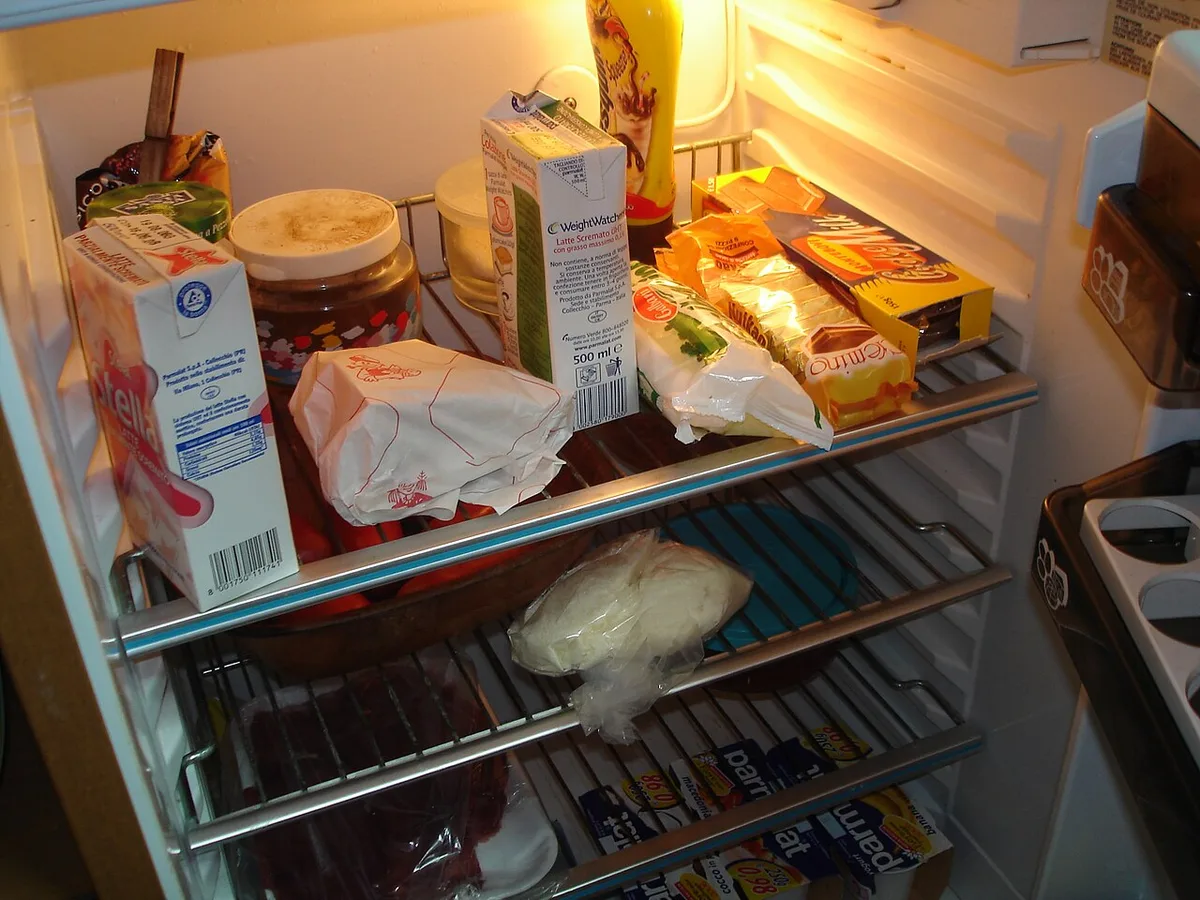
The refrigerator interior photograph illustrates the difference between an internal arrangement and a headline size. It is not a capacity test or a recommendation for food storage. Use the exact model information to investigate the containers, loads or tableware that matter in your own routine, and keep uncertain points as questions.
Energy Saving Trust: home appliance labels ?
Use a small set of clear columns
Create columns for exact model, confirmed fit, relevant capacity, consumption basis, complete purchase total and unresolved questions. Avoid combining these into a single numerical score unless you can explain the meaning and weighting of every input. A fabricated precision score can conceal a basic incompatibility.
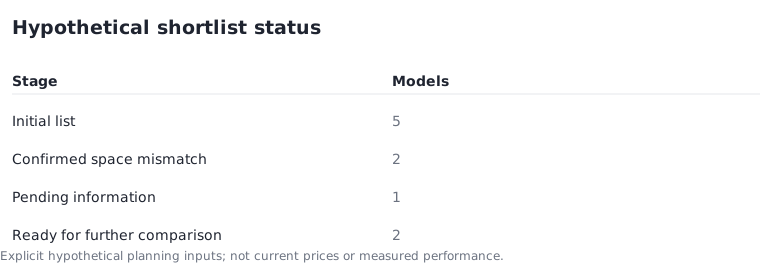
For a hypothetical shortlist of five models, suppose two fail a confirmed space requirement and one lacks information needed to assess it. Two remain ready for further comparison, while one is pending rather than rejected. This is a workflow example, not a product ranking or a claim about any current market selection.
Check label information on matching scopes
GOV.UK identifies the energy label and product information sheet as part of the information supplied for regulated appliances. Save those documents for each candidate. Keep annual, per-cycle and per-100-cycle values distinct until they have been converted to a consistent assumed period or sequence.
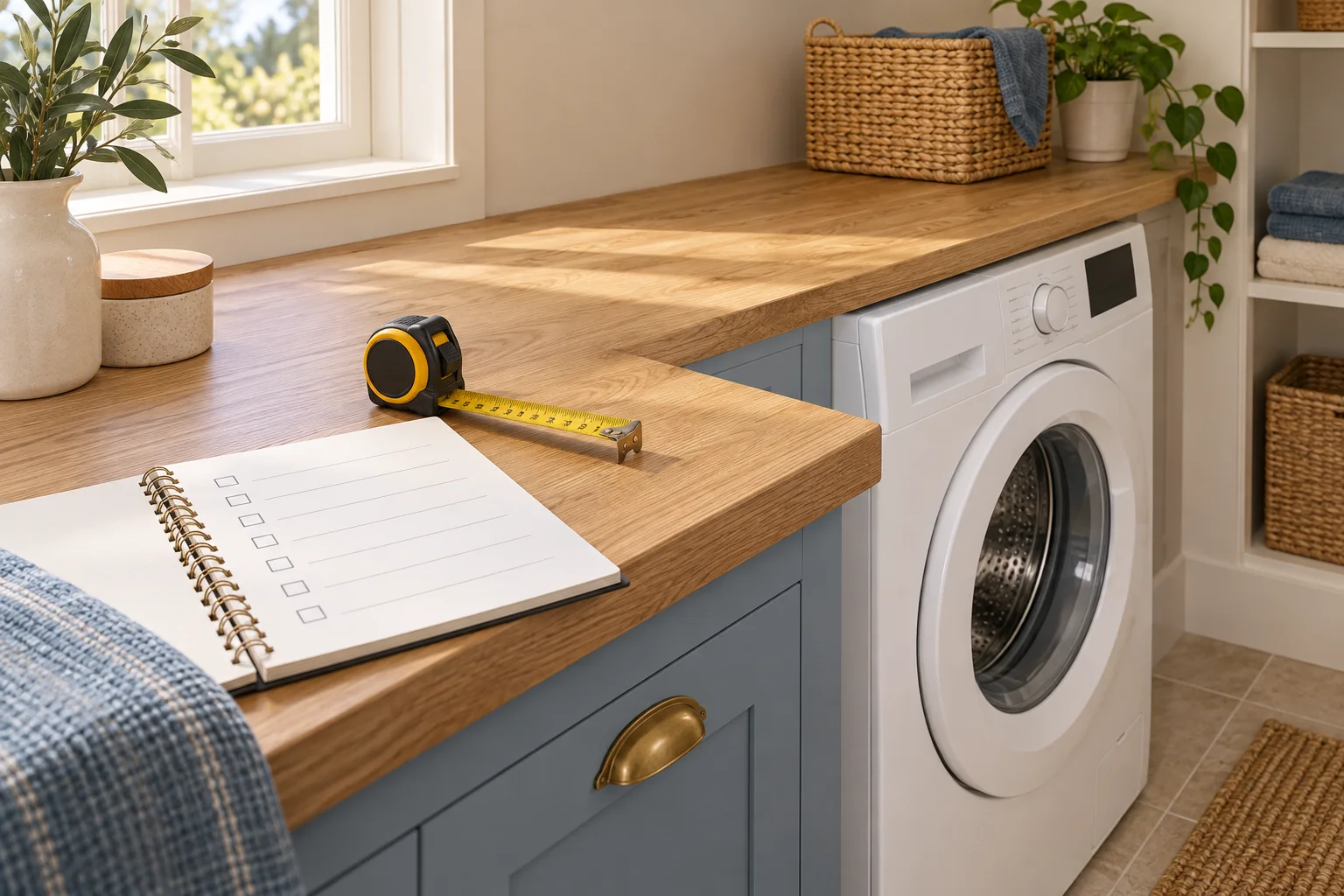
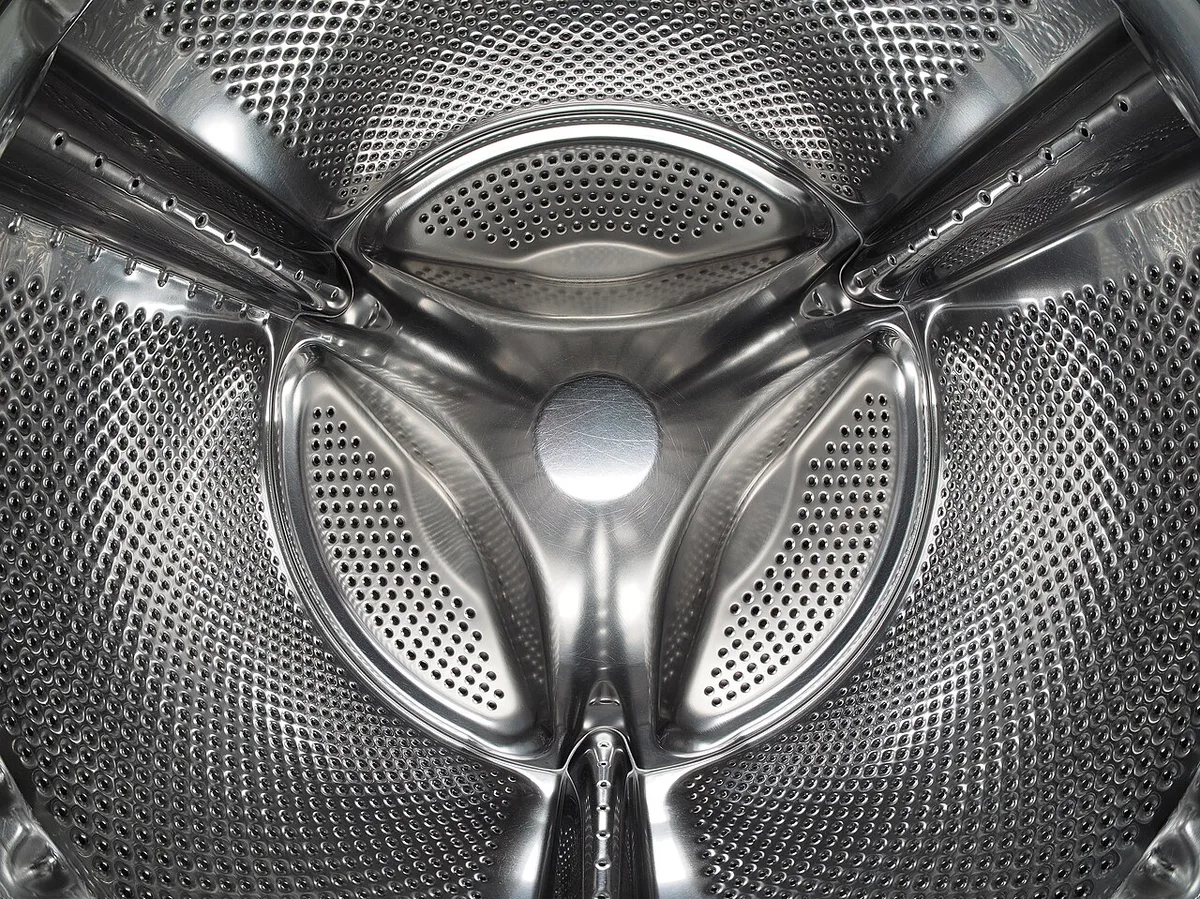
The washing-machine drum photograph is context for the appliance task, not evidence of measured efficiency. Do not compare a wash-only value with a combined wash-and-dry value as though the scope were identical. If the information is unclear, mark that field as unresolved instead of substituting a number from a similar model.
GOV.UK: energy information and current tumble dryer labelling ?
Confirm installation and complete service costs
Bosch's fridge-installation guidance stresses that methods and measurements vary by model. Use the appropriate exact instructions for every shortlisted appliance and obtain suitable installation advice where needed. A favourable price does not resolve a conflict with the required location or access.
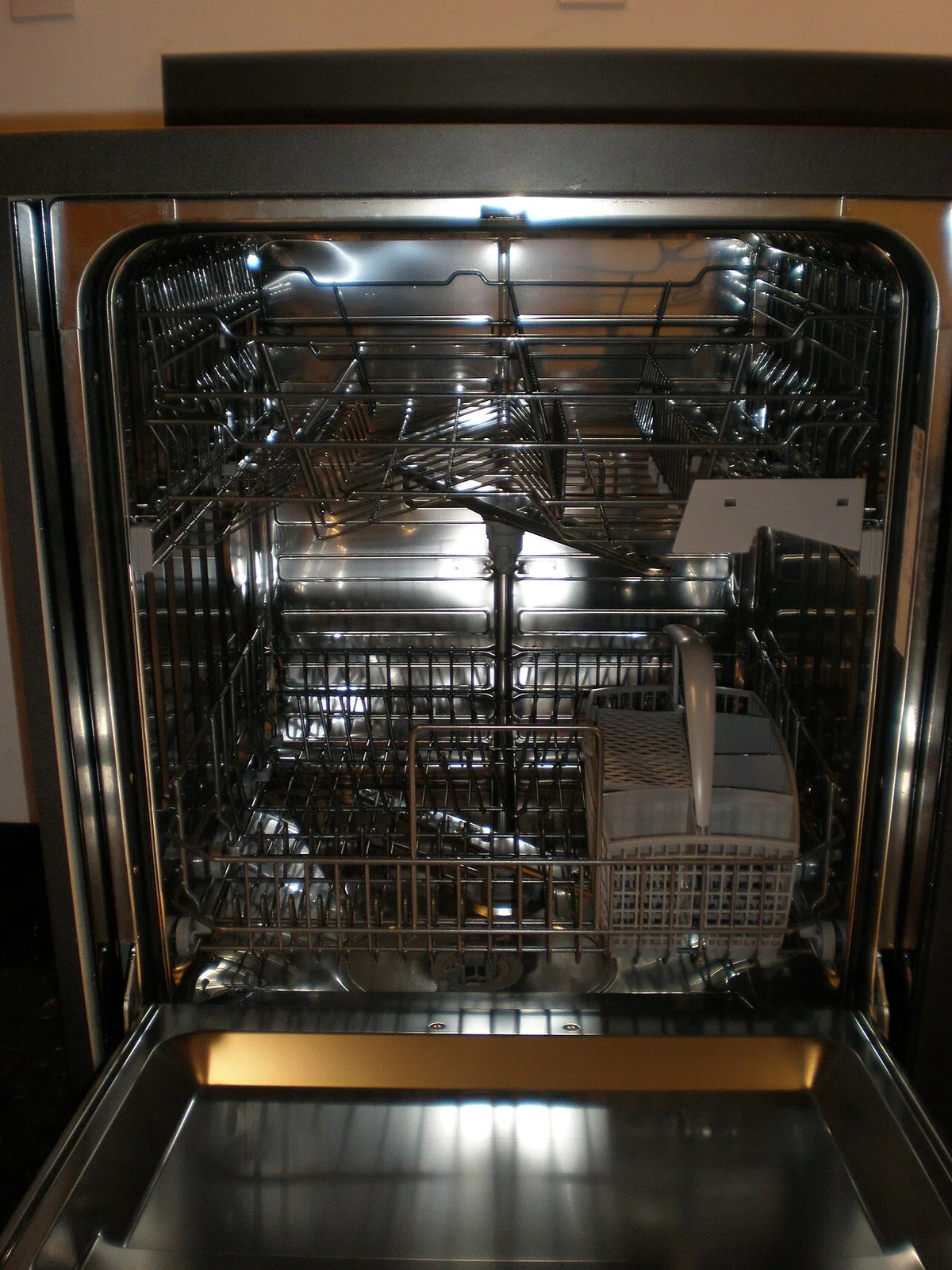
The open dishwasher photograph shows the kind of door and rack movement that can matter in a practical fit check. It supplies no dimensions for a current candidate. Include the actual delivery, installation, removal and required-accessory quotations in the cost column, keeping any included service from being counted twice.
Bosch UK: fridge installation and ventilation ?
Make the remaining decision explicit
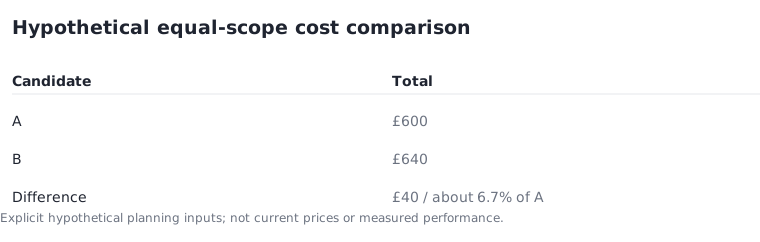
For a hypothetical equal-scope comparison, Candidate A totals £600 and Candidate B £640. The difference is £40, about 6.7% of A. That does not make A automatically preferable if another documented feature matters to the routine; it simply makes the price difference visible alongside the other verified information.
Write a short reason for the final choice and list any condition that must still be confirmed before ordering. Keep the dated quotation and documents with the record. The useful outcome is a decision you can explain from actual requirements and evidence, without claiming hands-on tests, guaranteed savings or a universal best appliance for every home.