Read dishwasher capacity alongside your actual tableware
Use the stated capacity as one comparison field, then check racks, item shapes and kitchen access.
Updated:
Start with the stated capacity and model
Energy Saving Trust explains that a dishwasher label includes capacity alongside eco-programme consumption, duration and noise information. Record the stated capacity for the exact model, but do not turn it into a promise that every collection of plates, pans and glasses will fit in the same way.
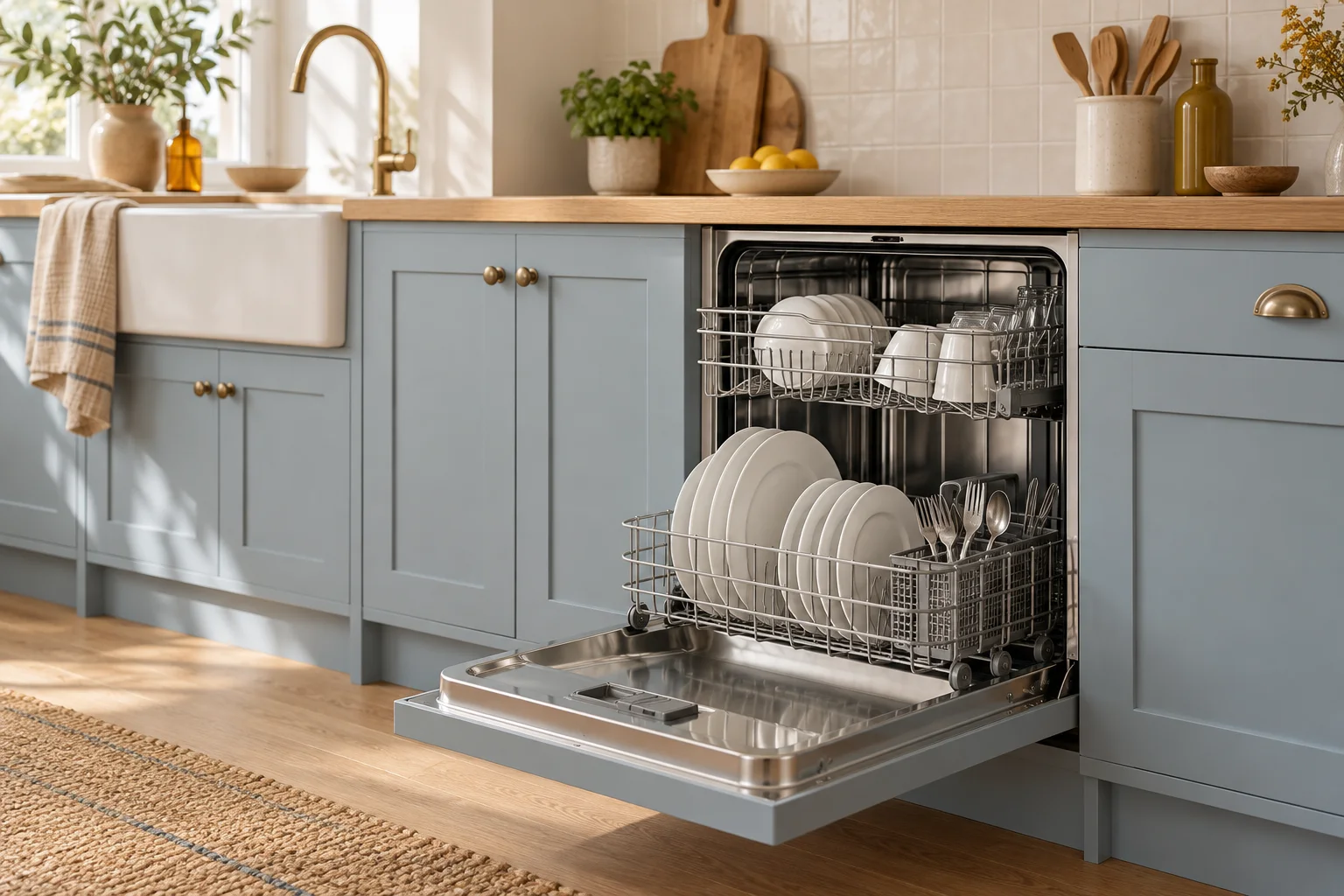
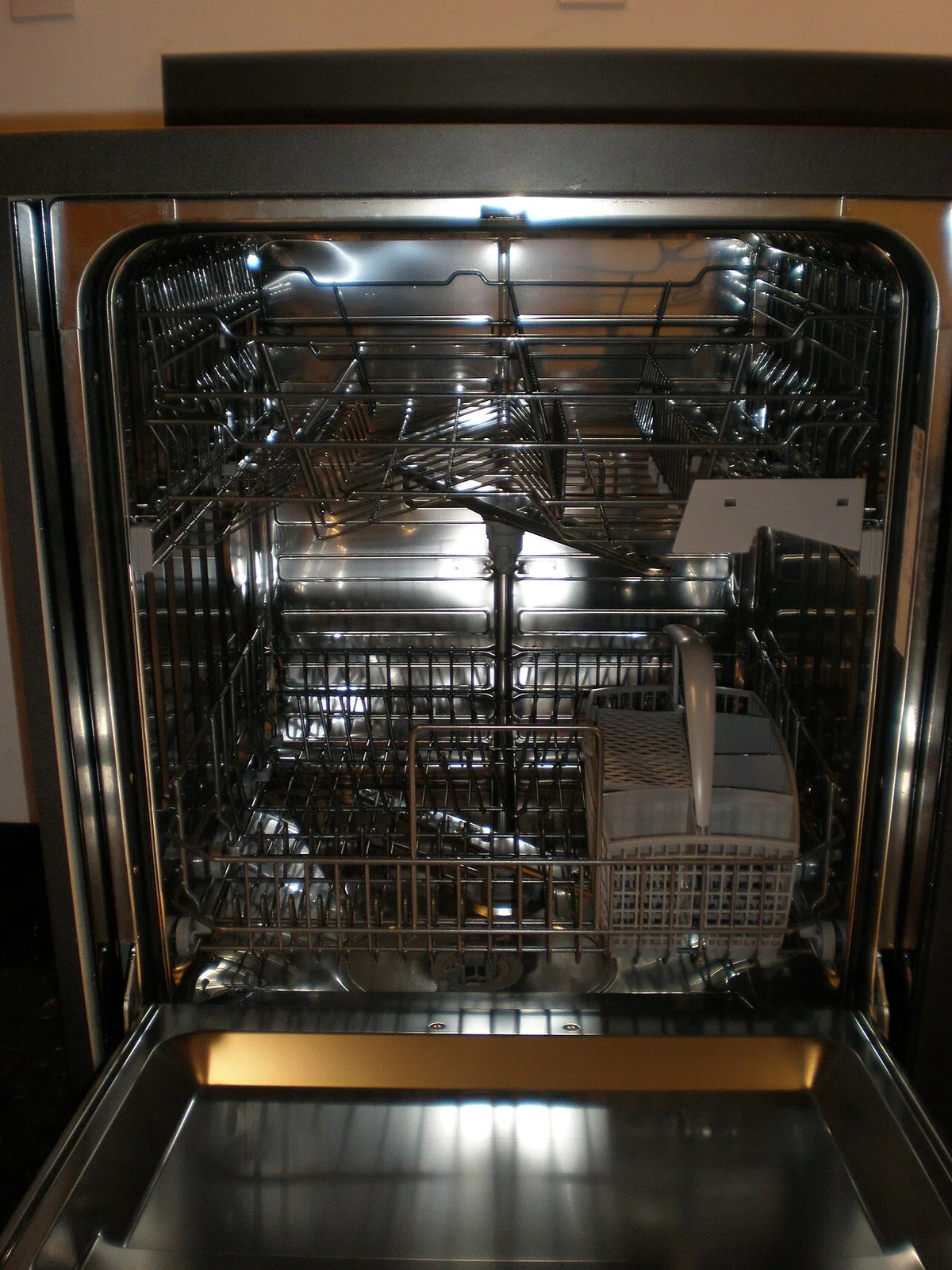
The open Asko dishwasher photograph shows separate racks and a cutlery basket. It is a historical example, not a current capacity test. Use the actual model's official information and loading guidance rather than inferring a place-setting count from a photograph or a cabinet width alone.
Energy Saving Trust: home appliance labels ?
Make a list of the awkward items
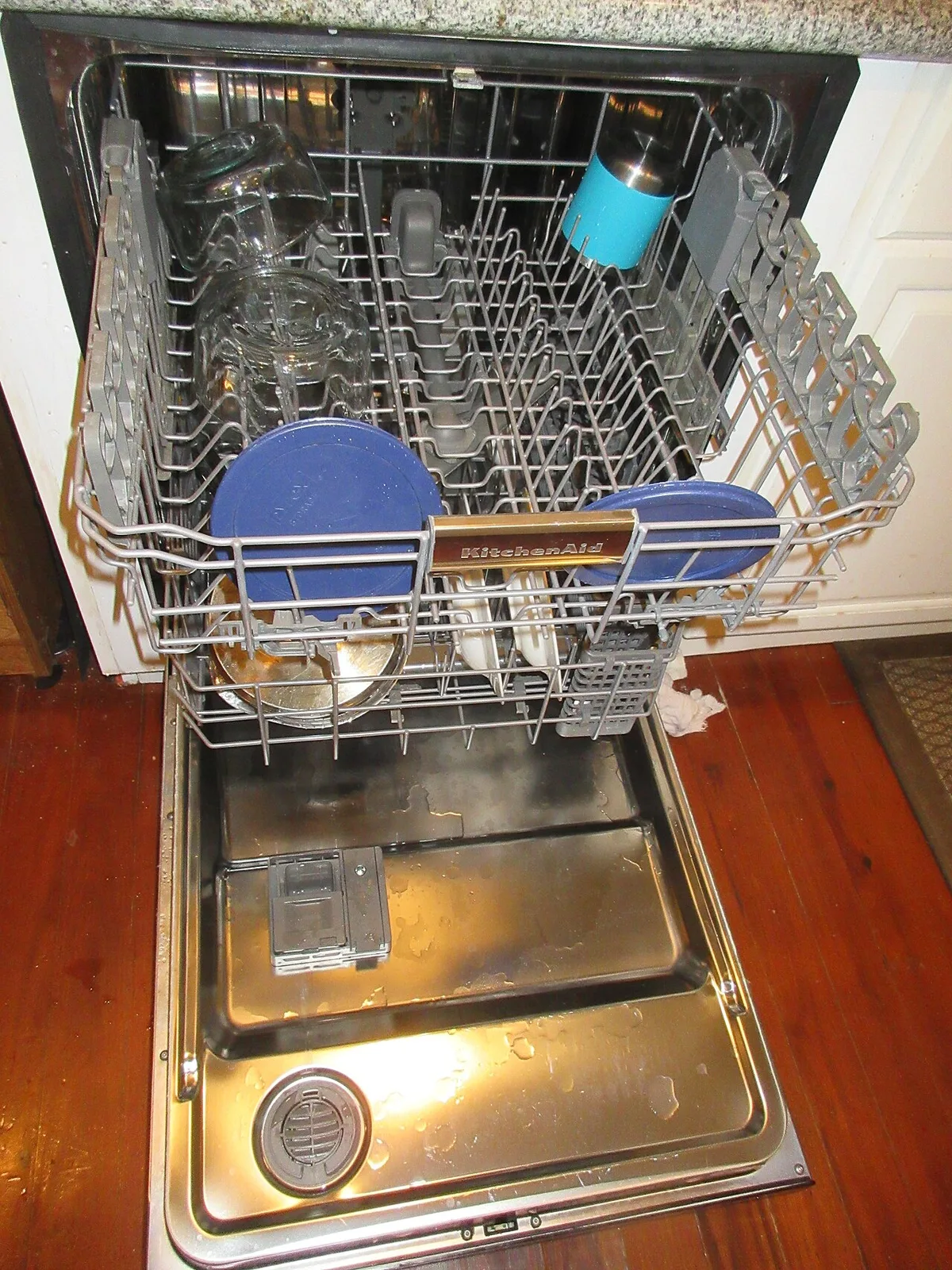
Identify the dishes, glasses and cookware that cause difficulty in your current routine. Note their dimensions and whether their own care instructions permit dishwasher use. A tall glass, wide bowl and large plate can create different questions even when their combined count looks small.
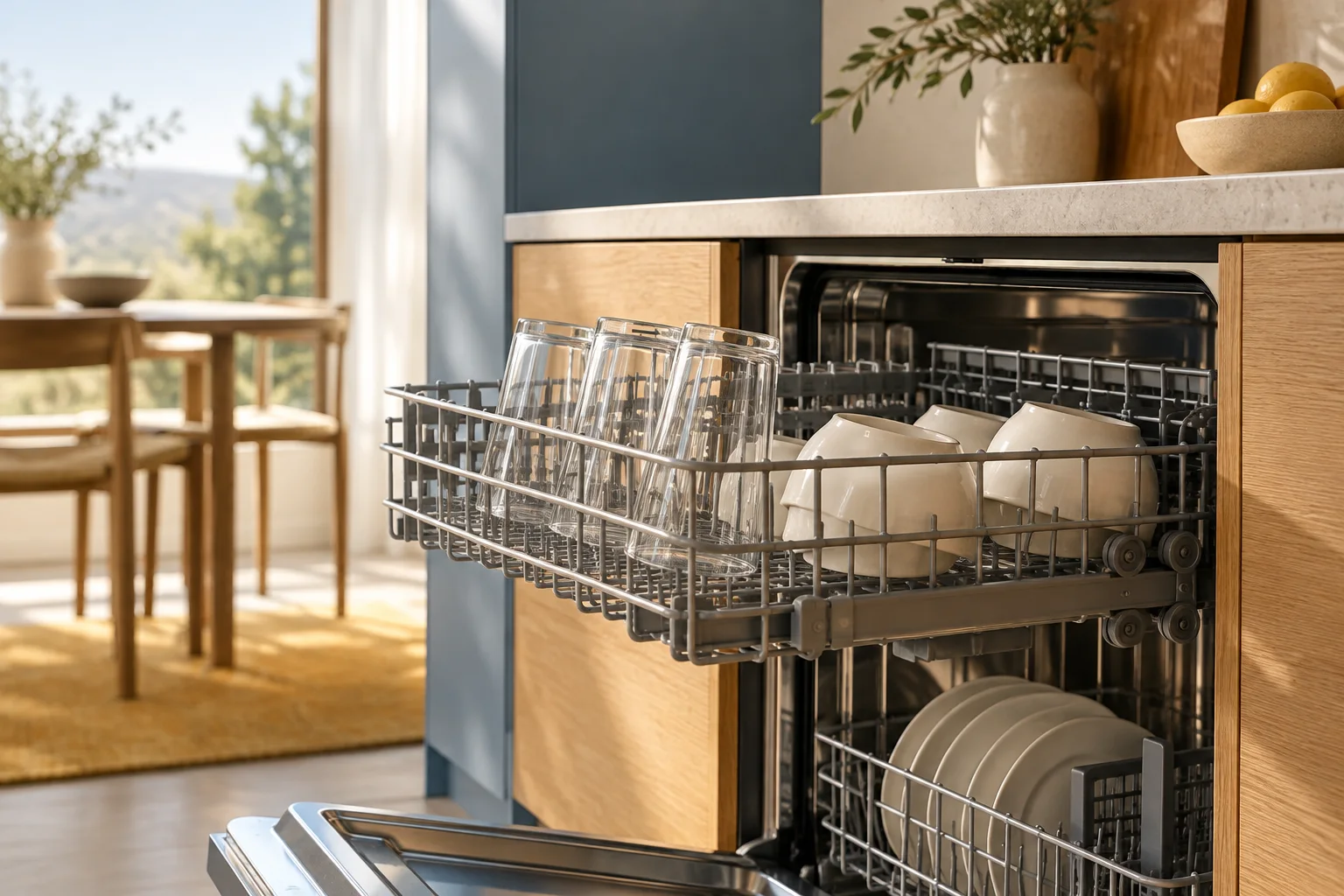
The KitchenAid photograph shows an upper rack extended with several item shapes. It illustrates why the arrangement matters, without endorsing that particular load or certifying the photographed items as suitable. Check the relevant manual for rack adjustment and loading requirements rather than assuming every support or divider can be moved.
Separate item counts from rated place settings
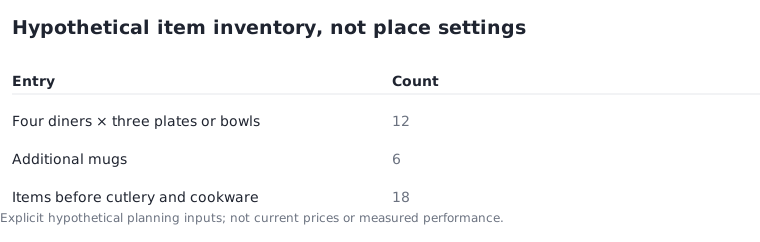
For a hypothetical household record, four diners using three plates or bowls each create 12 such items. Add six mugs and the count becomes 18 items before cutlery or cookware. That arithmetic is an inventory example, not a conversion into 18 place settings or a capacity requirement for a specific machine.
Keep the inventory descriptive so that the supplier can answer the actual fit questions. A larger advertised count may still leave an awkward item unresolved, while a different rack arrangement may change the practical fit. Do not invent a universal rule connecting the number of people in a home to a particular rated capacity.
Compare physical formats separately
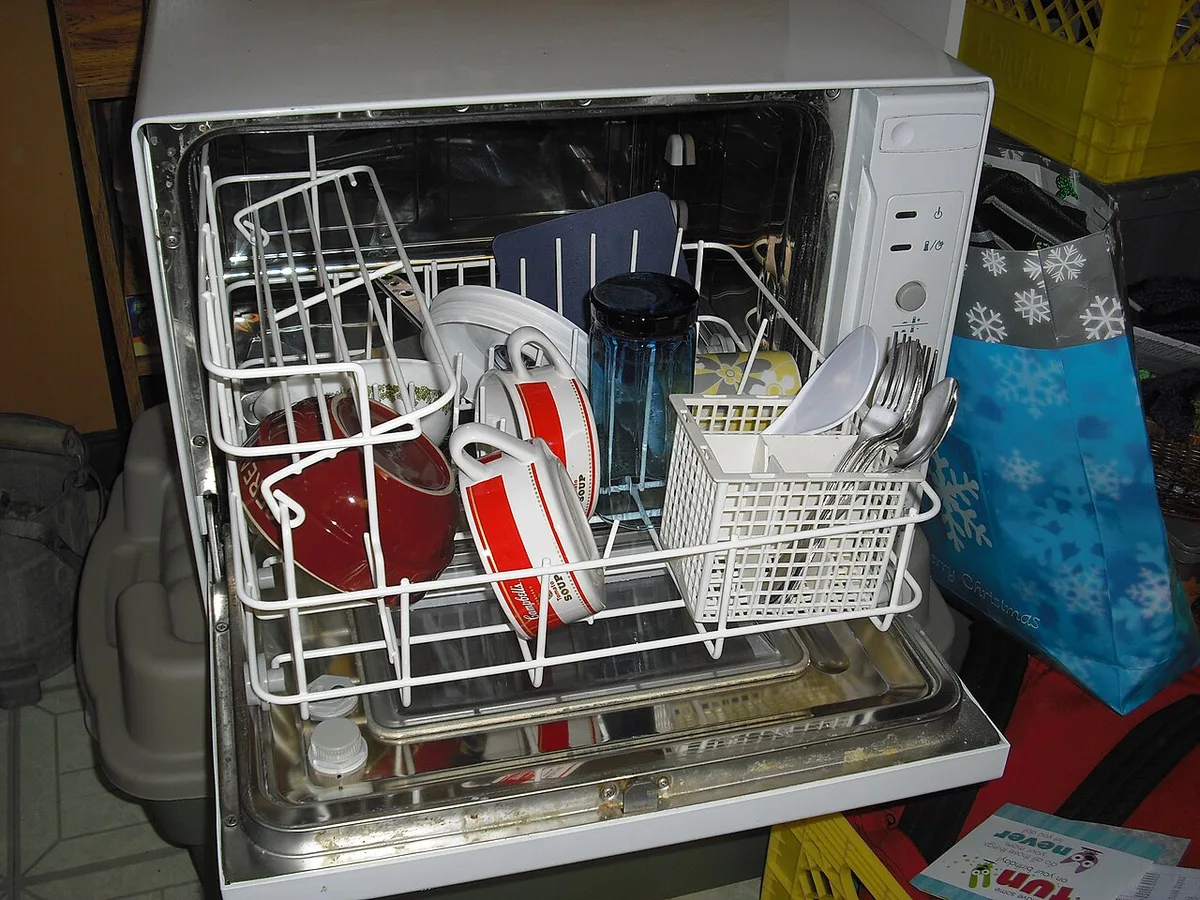
The countertop dishwasher photograph shows a compact format with a single visible loading area. It supplies a useful contrast with the taller rack arrangements, but it is not evidence of current UK specifications or a recommended installation. Verify the exact dimensions, connections and opening space for any model you consider.
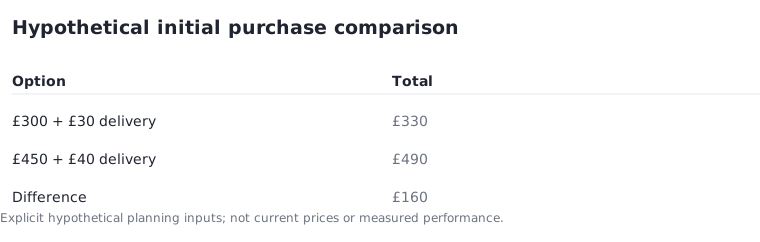
For an assumed comparison, a compact option costing £300 with £30 delivery totals £330, while another option at £450 with £40 delivery totals £490. The £160 difference is meaningful only after both plans have been checked for the intended task and required services. These are invented amounts, not current offers.
Keep the whole product record together
GOV.UK identifies the product information sheet as part of appliance energy information. Save it with the loading guidance, installation drawing and a list of unresolved item-fit questions. This avoids choosing from a capacity number while losing the details that determine everyday use.
Review the complete purchase scope and the relevant programme information before deciding. The useful outcome is a dishwasher that suits the tableware and available space, with assumptions clearly labelled. No photograph or worked count in this guide establishes cleaning performance, usable capacity for every load or a test-based ranking of the historical products shown.
GOV.UK: energy information and current tumble dryer labelling ?