Compare dryer programmes on the same job and load
Keep capacity, duration and consumption together before interpreting a programme comparison.
Updated:
Read the programme basis in the sheet
The DESNZ tumble-dryer easement product-information format includes rated capacity, programme duration and weighted electricity consumption. Several fields refer specifically to the eco programme. Keep those conditions with the figures rather than treating a single duration or consumption value as universal across the machine's settings.
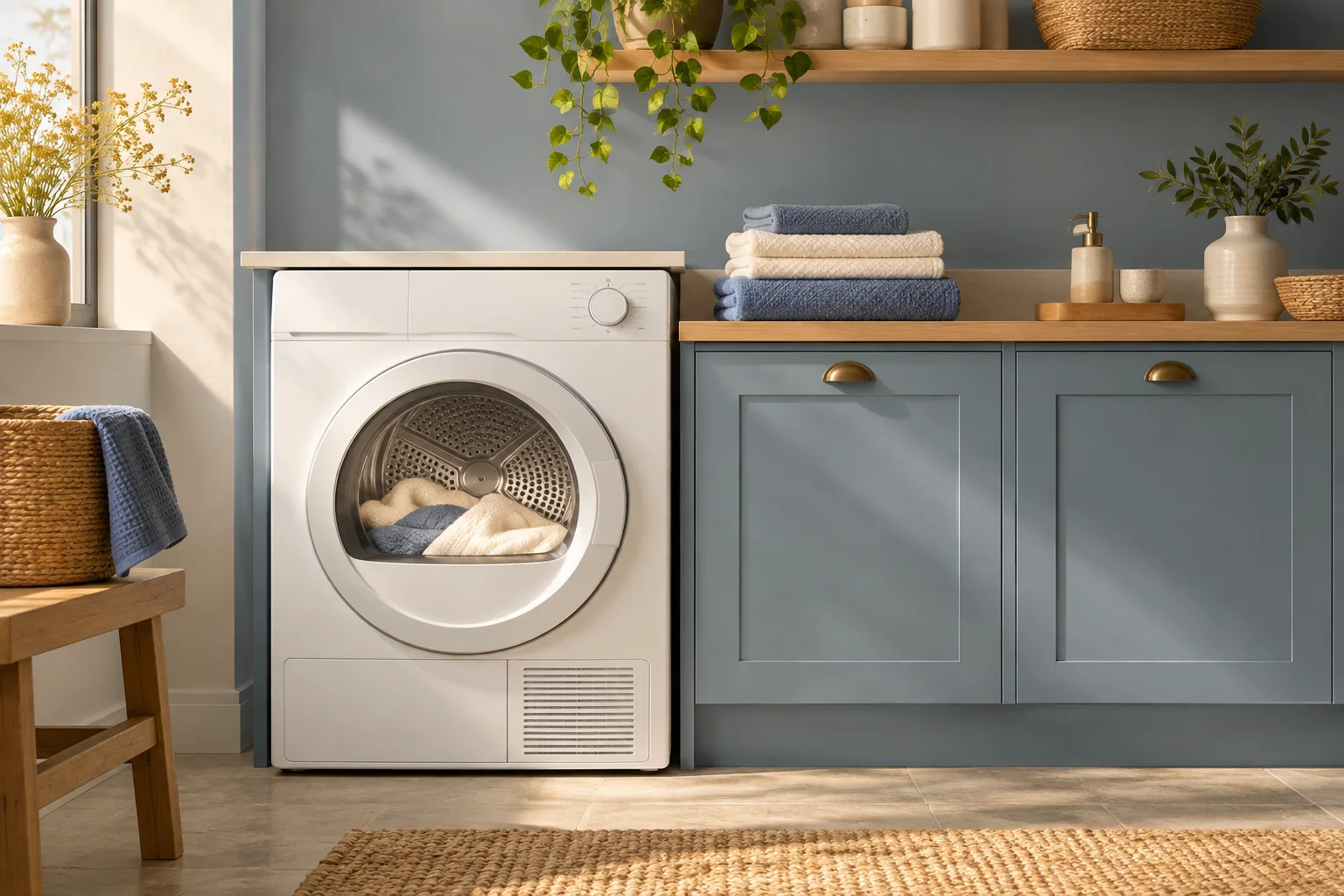
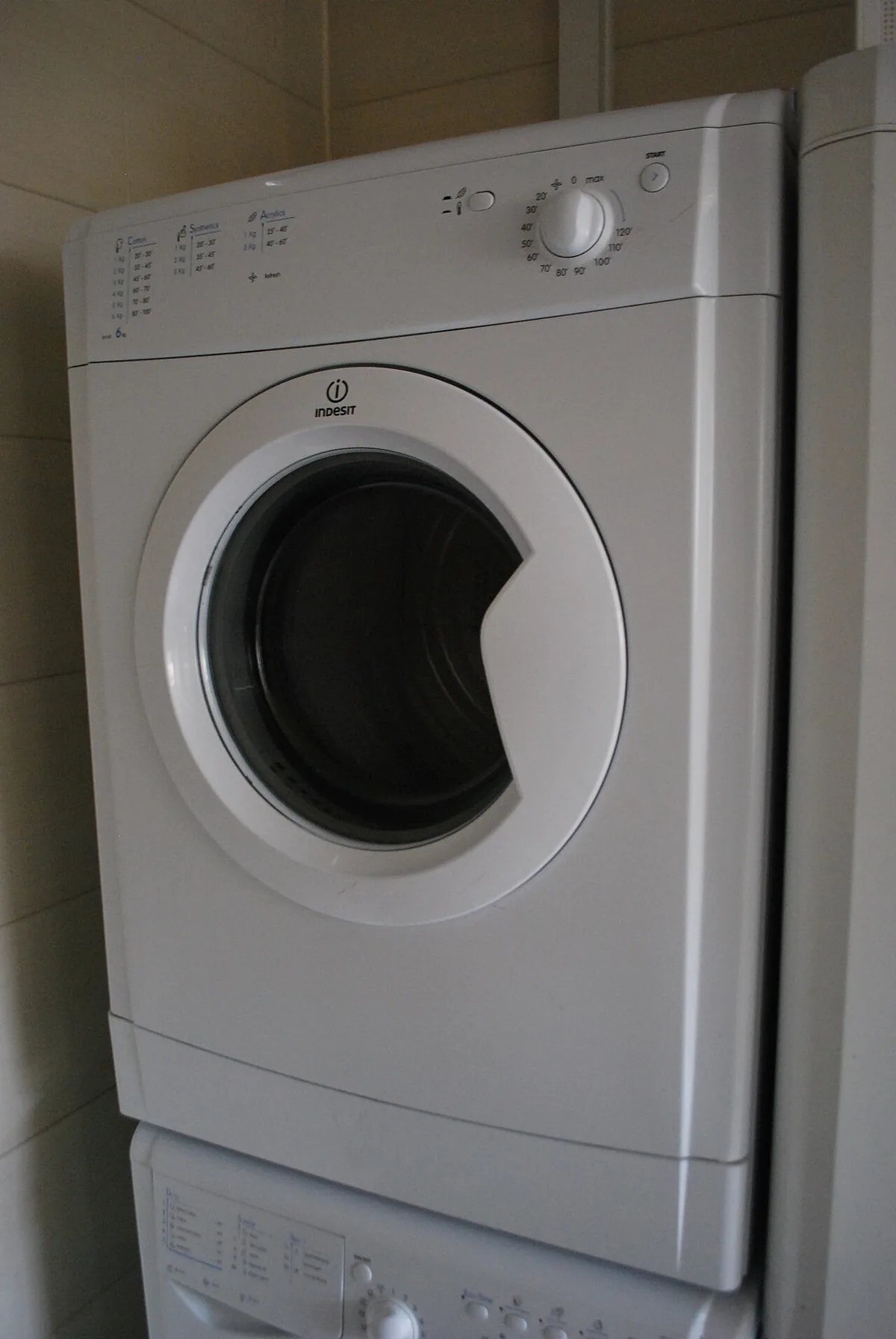
Check the actual sheet and manual for the exact model. The historical dryer with a control dial is visual context only; its settings are not being tested or compared here. A similar programme name on another machine does not establish identical conditions, so the comparison needs the documented scope as well as the label.
DESNZ: 2026 tumble dryer label easement and product information sheets ?
Define the load and intended result
Describe the kind of items you want to dry and check their care instructions alongside the appliance manual. A programme comparison is incomplete if one option is being considered for a different load or intended result. Do not assume that a larger rated capacity applies unchanged to every fabric or setting.
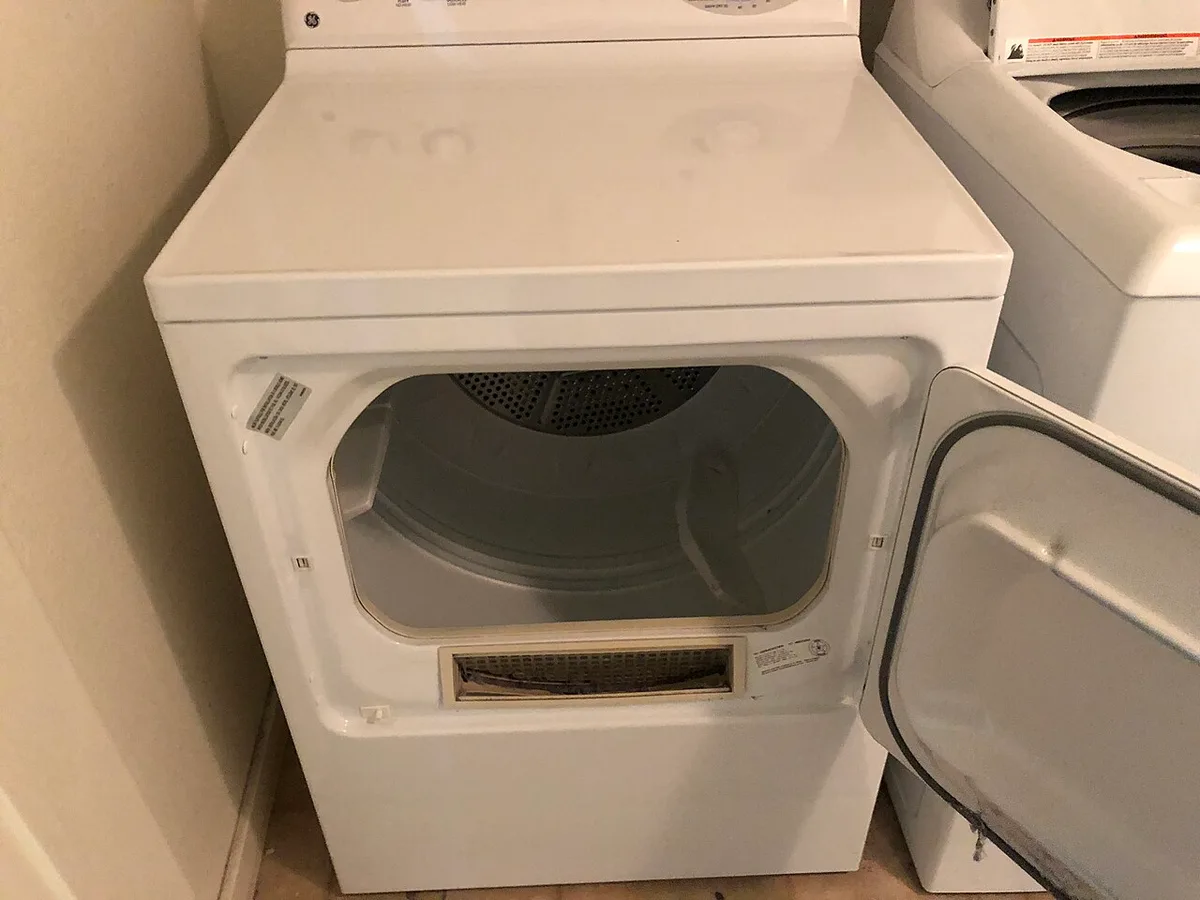
The open-dryer photograph shows the loading area and door, not a measured load allowance. Use the manufacturer information to establish what is permitted. If you cannot confirm a relevant programme condition, mark the comparison as incomplete instead of inventing a common basis that the documents do not provide.
Convert durations without ranking performance
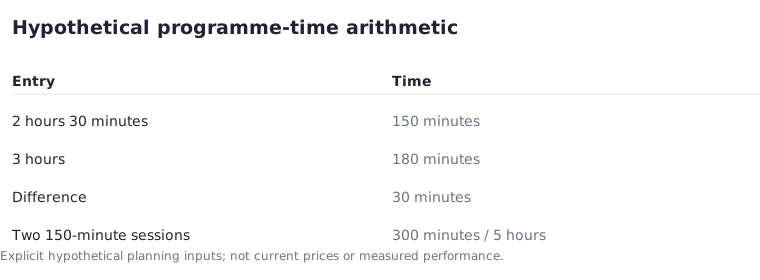
For a hypothetical schedule, a programme lasting 2 hours 30 minutes is 150 minutes, while one lasting 3 hours is 180 minutes. The difference is 30 minutes. That arithmetic says nothing by itself about electricity use, drying quality or whether the programmes are appropriate for the same items.
If two assumed 150-minute sessions are planned, their combined programme time is 300 minutes or 5 hours. This does not include loading, unloading or any interruption. These invented values demonstrate how to read a schedule, not the duration of a real model or a recommendation to run unattended.
Keep energy and time as separate columns
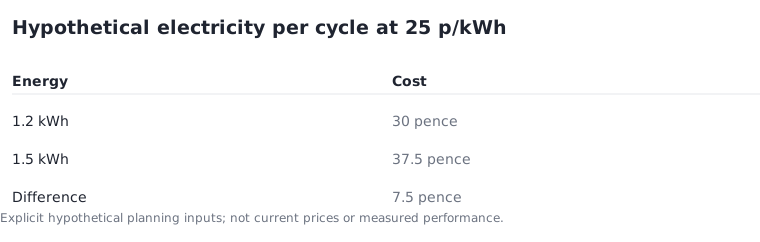
Assume two comparable hypothetical programme entries use 1.2 and 1.5 kWh per cycle. At an assumed 25 pence per kWh, the arithmetic costs are 30 pence and 37.5 pence. The difference is 7.5 pence per cycle. These invented values are not measurements and do not imply that the shorter programme uses less electricity.
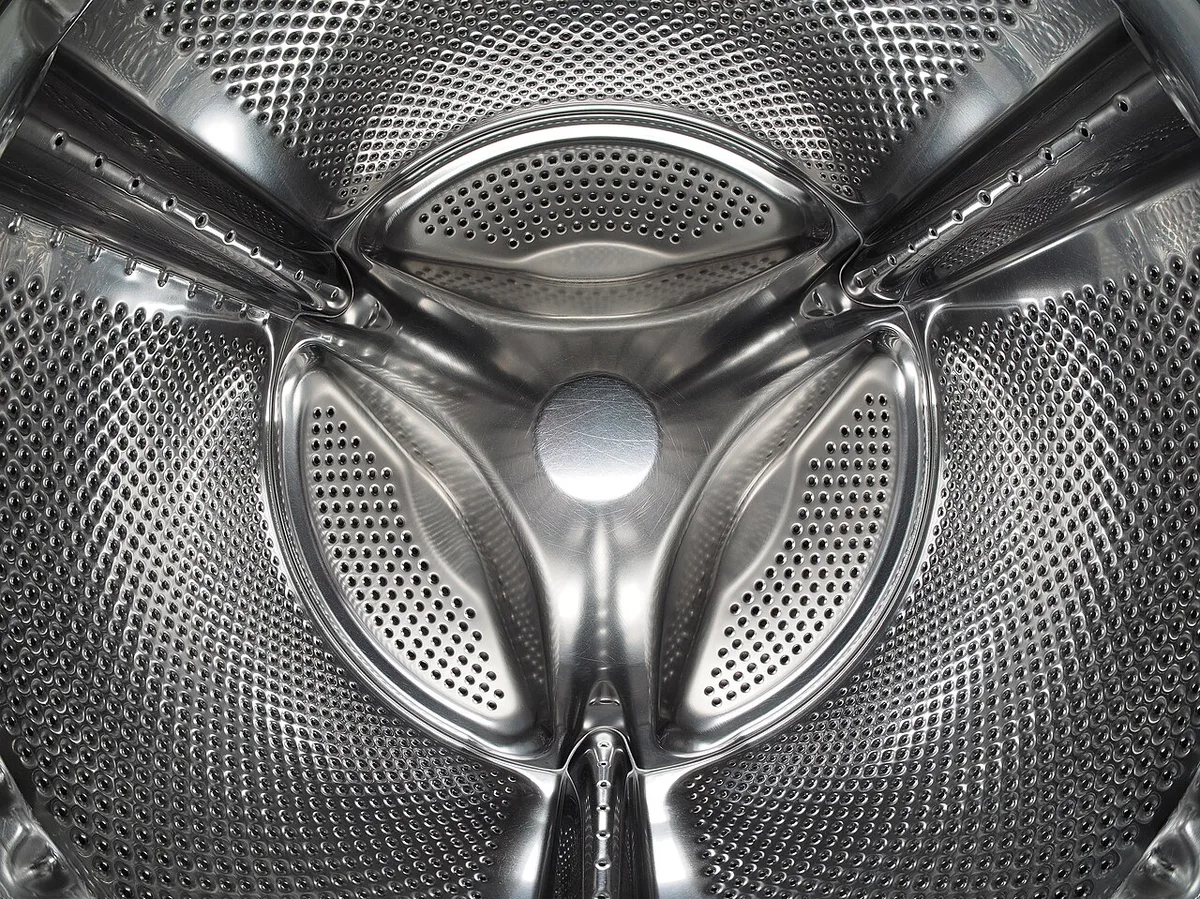
The washing-machine drum photograph is a reminder to distinguish a drying-only comparison from a full laundry sequence. Energy Saving Trust separates wash-only and wash-and-dry information on combination labels. Include washing costs only where the chosen scope requires them, and avoid counting a component twice when it is already included.
Energy Saving Trust: home appliance labels ?
Keep the record current and model-specific
GOV.UK's current dryer guidance includes different GB label options under the temporary easement. Save the actual label and product sheet together so that the programme figures remain tied to a known source and market. Do not mix fields from different versions simply because the model name looks similar.
Record any unanswered questions about capacity, duration or intended use and ask the manufacturer or supplier to clarify them. A useful comparison presents the documented trade-offs without reducing everything to a fabricated score. The best-supported conclusion may be that more information is needed before two programmes can be compared fairly.
GOV.UK: energy information and current tumble dryer labelling ?