Read the washing-machine figure per 100 cycles correctly
Convert the label basis into your planned usage without confusing it with annual consumption.
Updated:
Read the unit before using the value
Energy Saving Trust explains that washing-machine label electricity consumption is expressed per 100 washes, alongside Eco 40-60 programme information. Copy the unit with the number. A value such as 50 is incomplete without knowing whether it means kWh per 100 cycles, litres per cycle or another quantity.
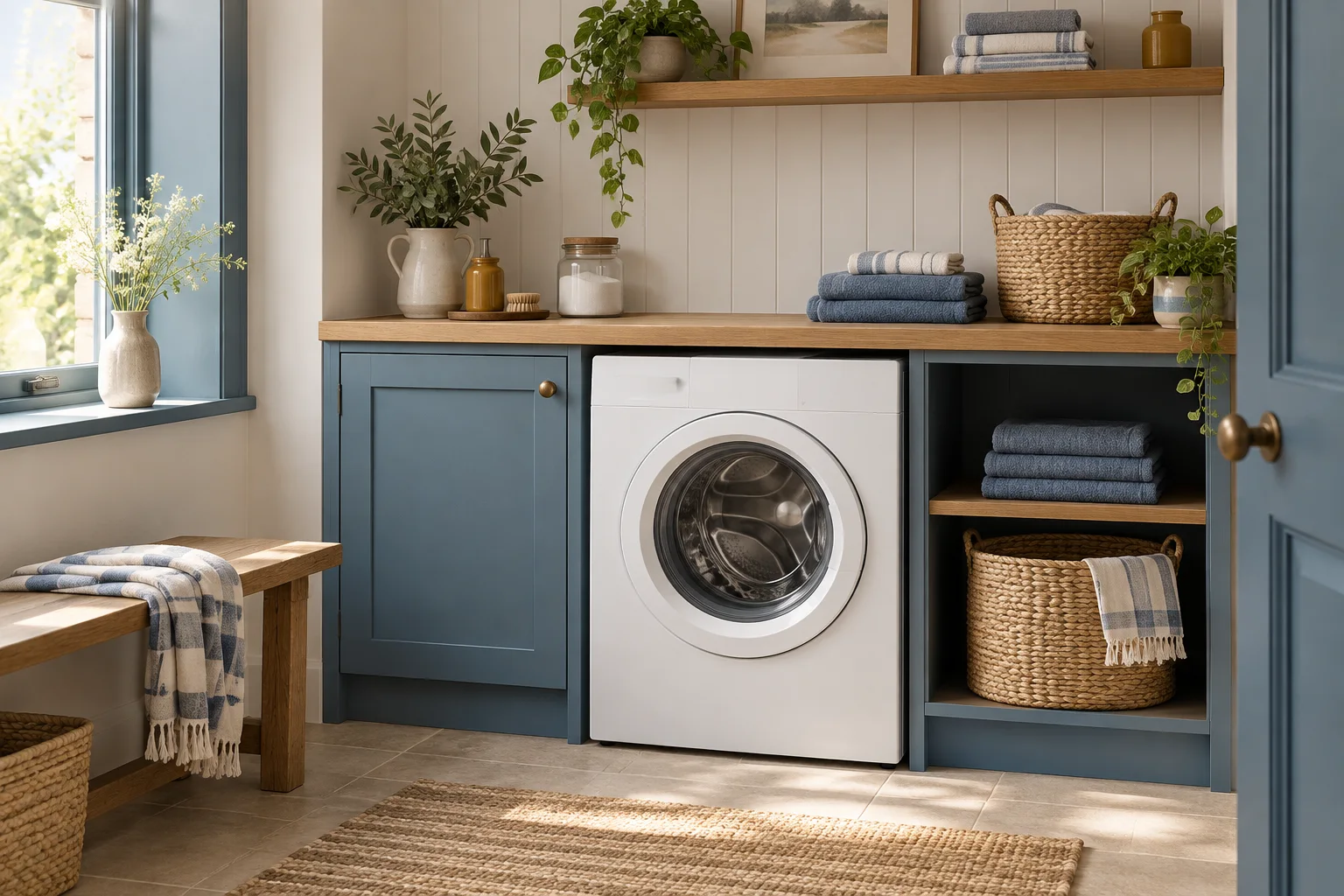
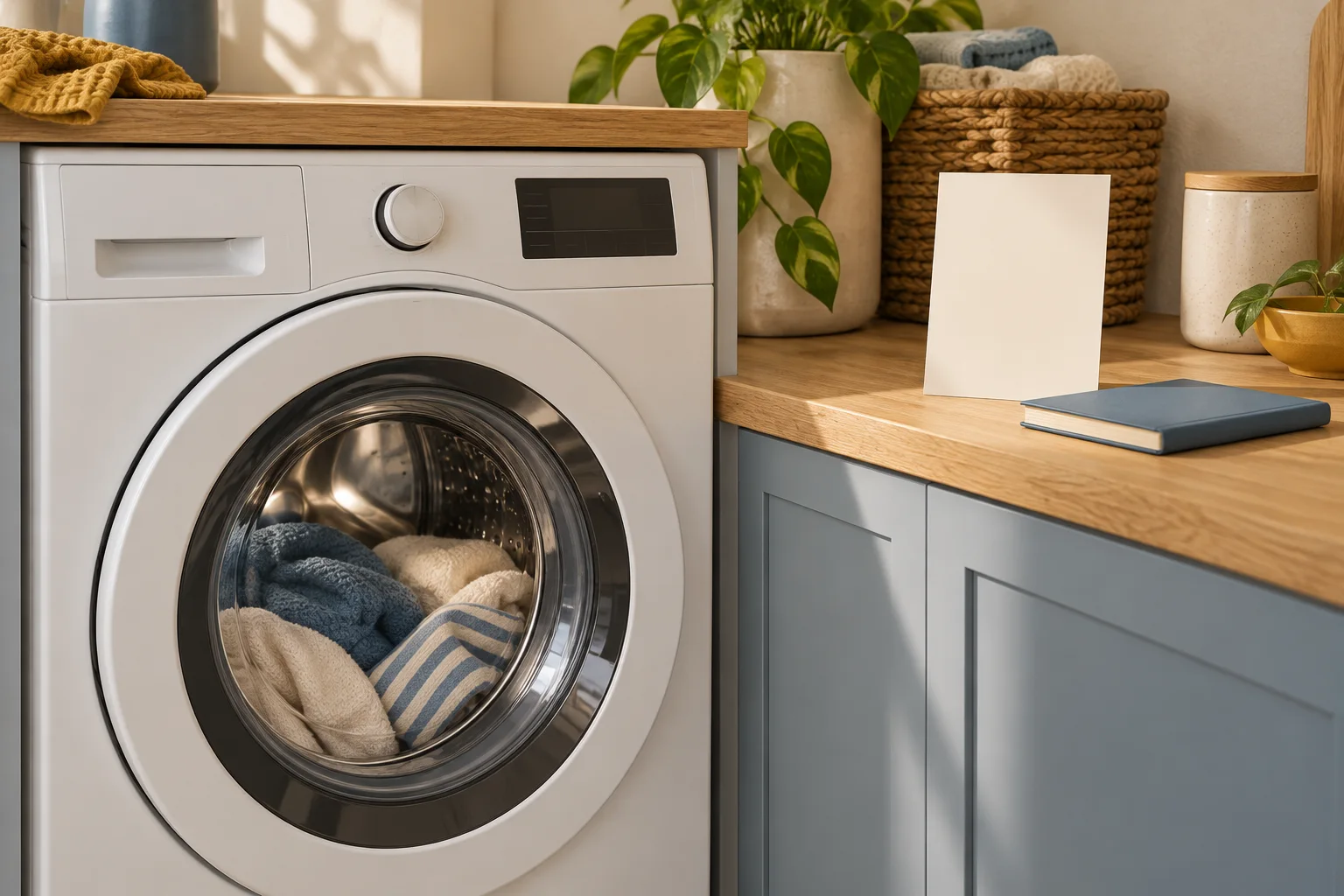
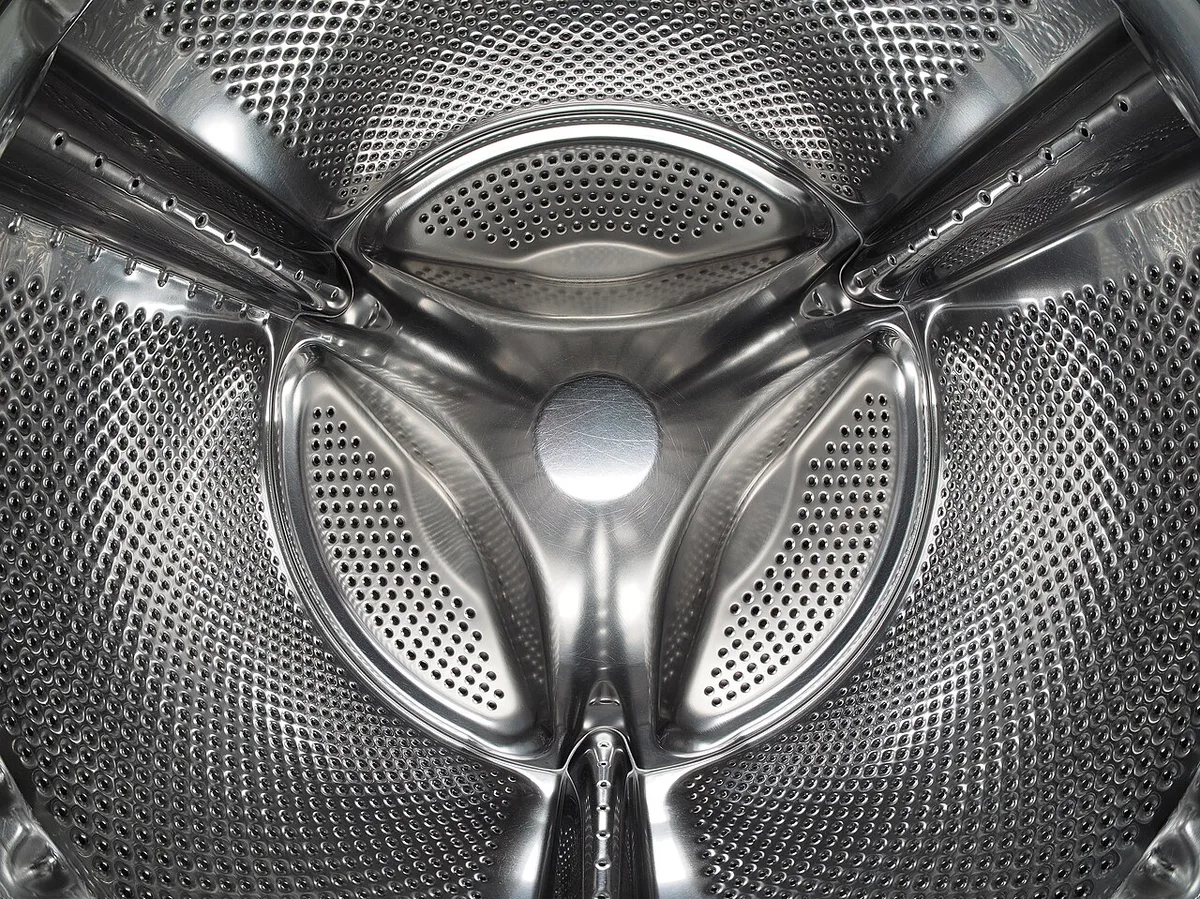
The photographed drum supplies context for the appliance, not a test result or a current label. Use the official information for the exact model you are considering. Keep the programme basis visible so that a standardised label value is not silently presented as measured consumption for every setting you might select.
Energy Saving Trust: home appliance labels ?
Convert the basis in a visible step
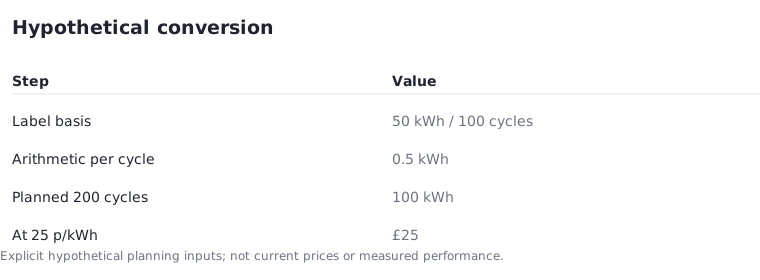
Assume a hypothetical label value of 50 kWh per 100 cycles. Dividing by 100 gives an arithmetic average of 0.5 kWh per cycle on that stated basis. Multiplying by 200 planned cycles gives 100 kWh. These invented inputs are for explaining the conversion and do not describe the historical machine in the photograph.
The per-cycle result is a way to scale the stated information, not a promise that each individual wash will use exactly that amount. Programme choice, loading and other conditions can differ from the basis used for the label. Keep the calculation's purpose limited to a transparent planning estimate.
Use your own count of planned washes
Estimate the number of cycles relevant to the period you want to consider, and label it as an assumption unless it comes from your own record. If you assume four cycles a week over 52 weeks, the count is 208 cycles. Do not describe that as the typical UK household without a separate source supporting the claim.
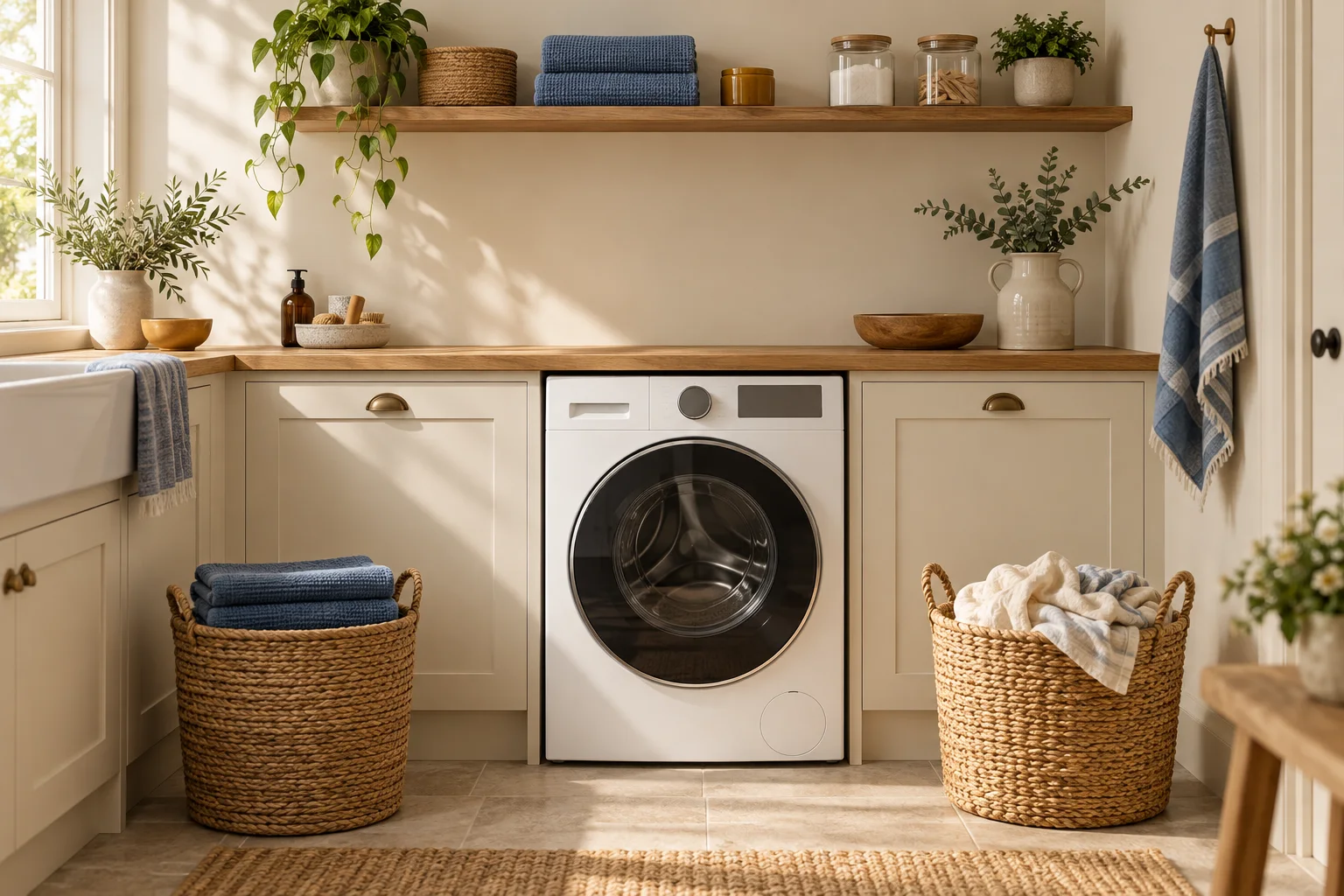
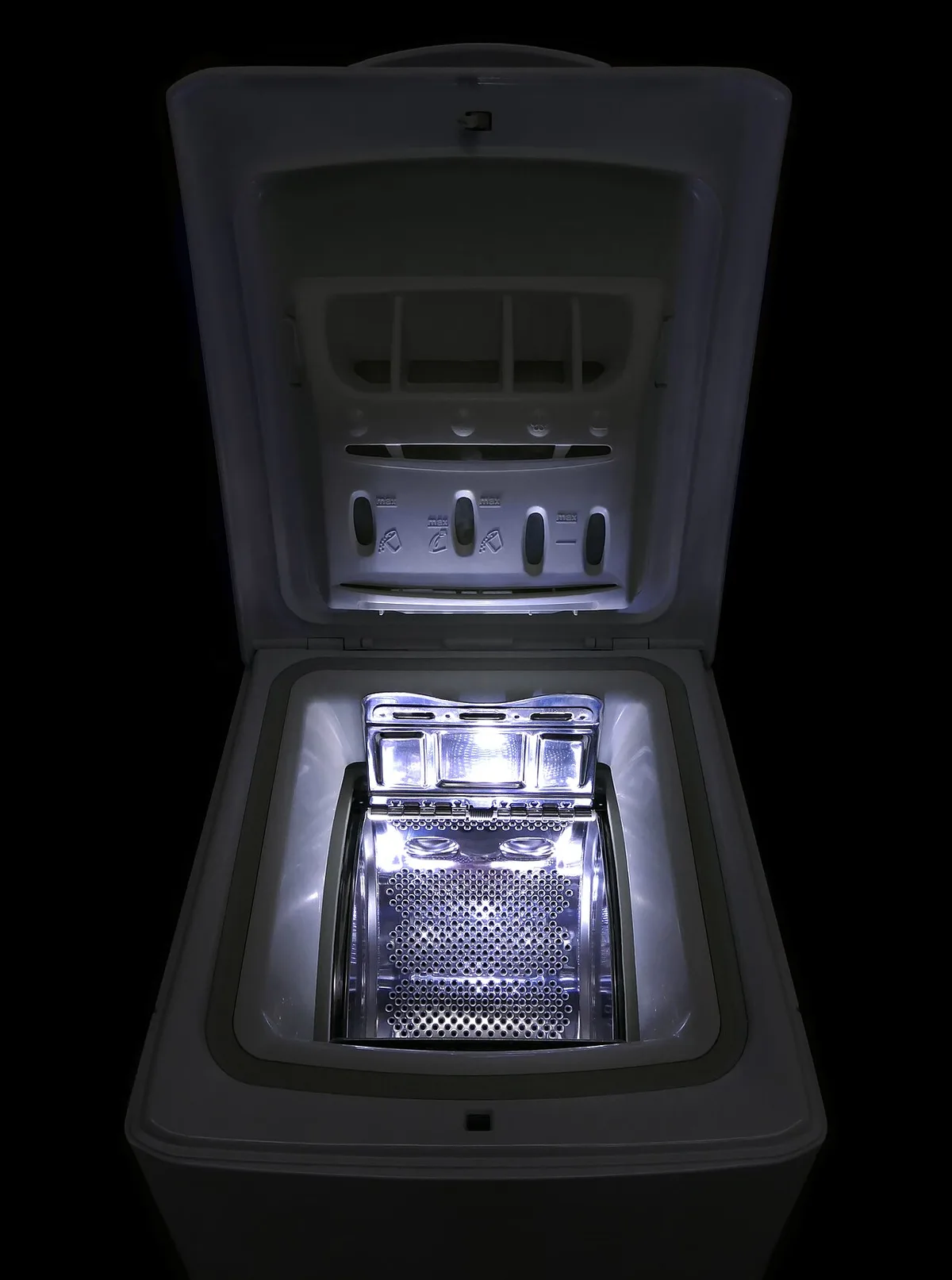
The top-loading photograph illustrates that a different physical format still needs its own model information. It does not supply a usage frequency or justify transferring one machine's consumption figure to another. If your routine changes during the year, use separate periods or make the simplification explicit.
Apply a tariff in the correct unit
At an assumed rate of 25 pence per kWh, the hypothetical 100 kWh total costs £25. Enter 25 into a calculator field labelled pence, then divide the pence result by 100 to express pounds. The rate is an example, not a current tariff or a claim about the price cap.
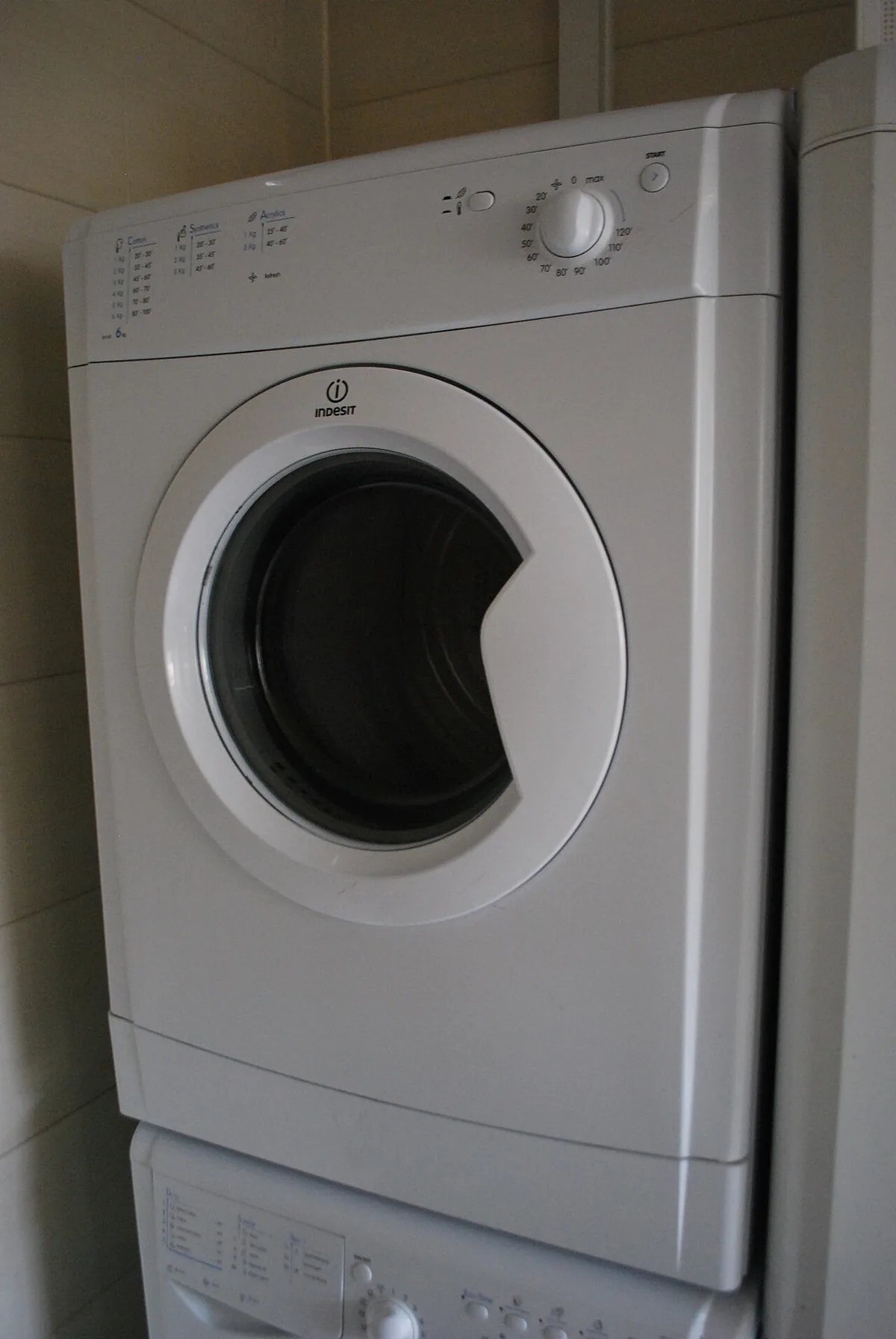
The separate dryer photograph is included to keep washing and drying costs distinct. A washing-only estimate does not include a separate dryer's electricity or a washer-dryer's full wash-and-dry sequence. Add those only using the appropriate product information and assumptions, rather than assuming the wash calculation covers the whole laundry process.
Keep the comparison traceable
GOV.UK's energy-information guidance describes the product information sheet accompanying regulated products. Save the sheet, model reference and calculation inputs together. This makes it possible to revisit the estimate when the tariff, planned cycle count or shortlisted model changes.
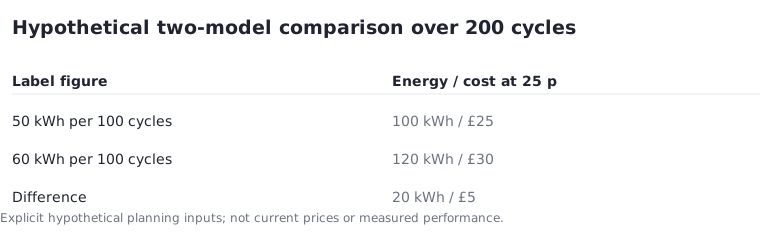
For a hypothetical comparison, 50 and 60 kWh per 100 cycles become 100 and 120 kWh over 200 cycles. At 25 pence per kWh the estimates are £25 and £30, a £5 difference. That difference alone does not establish overall value, cleaning performance or a replacement payback period; capacity, fit and complete purchase costs still matter.
GOV.UK: energy information and current tumble dryer labelling ?