Choose washing capacity around the loads you actually do
Compare the rated load, programme information and access instead of choosing the largest drum by default.
Updated:
Keep capacity attached to its programme
Energy Saving Trust explains that a washing-machine energy label includes capacity and programme-duration information for Eco 40-60. Read those details together rather than treating one advertised kilogram figure as the allowance for every programme. Check the exact machine's programme table for the loads and fabrics you intend to wash.
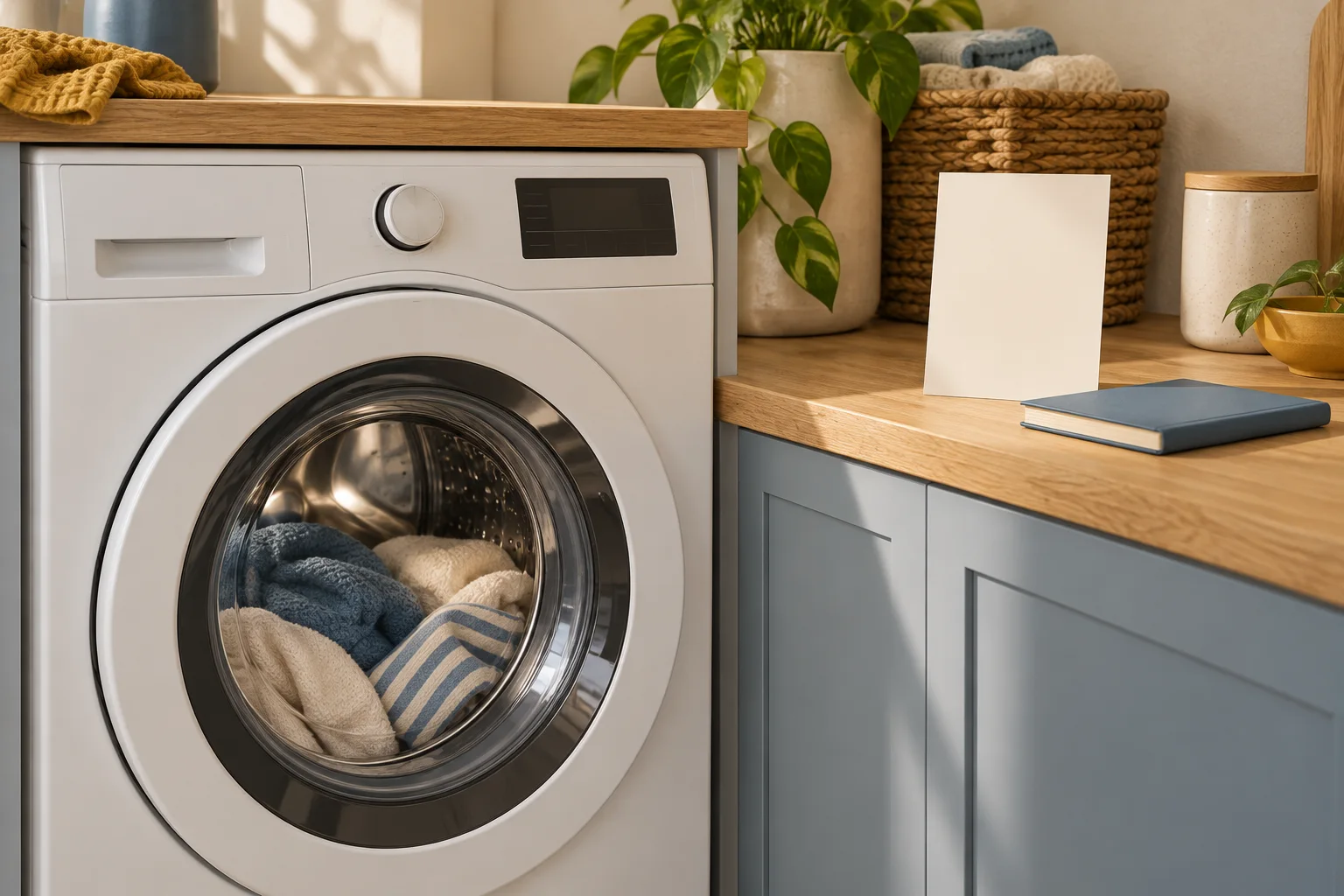
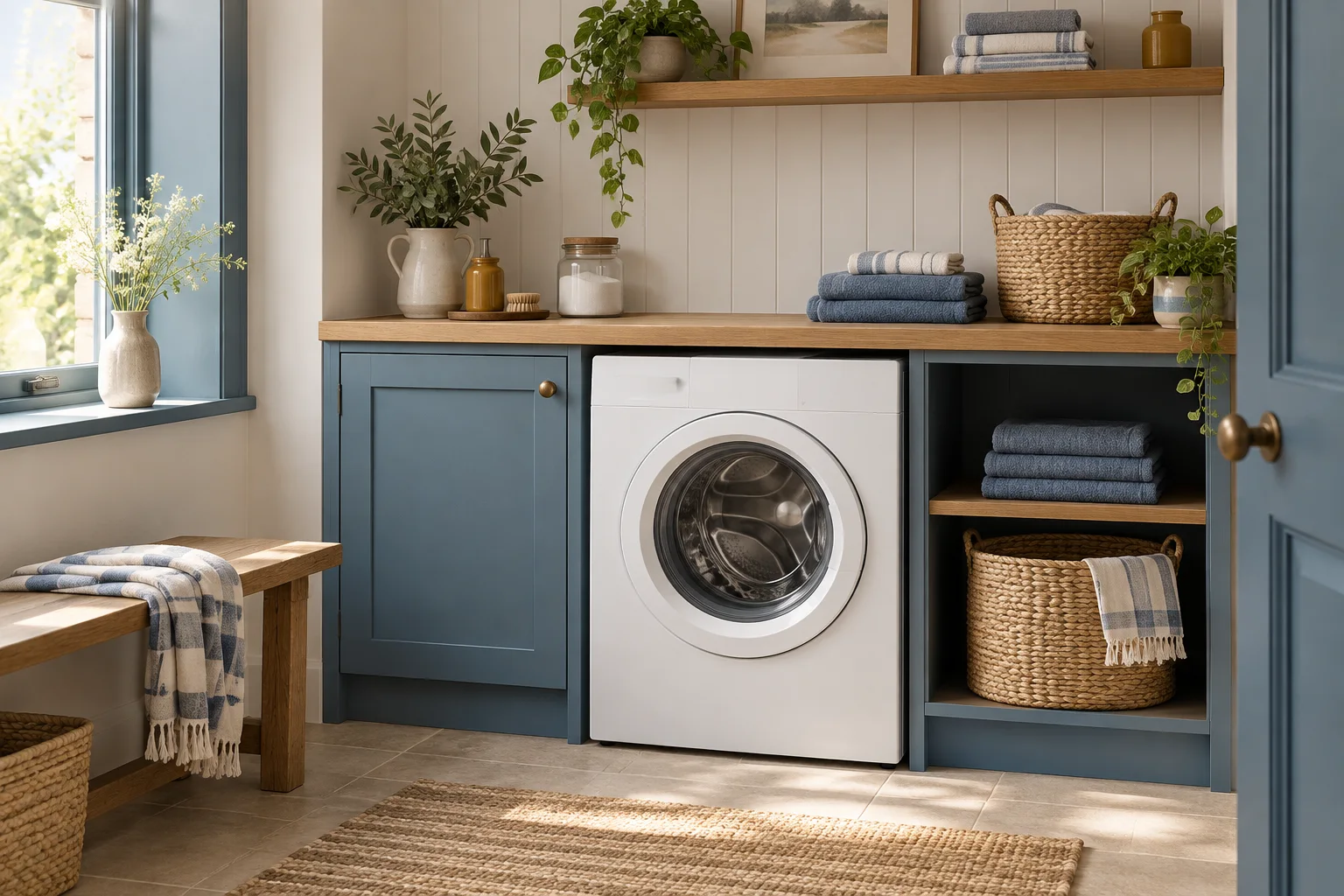
The close-up drum photograph shows the interior of one historical front-loading machine. It does not measure the usable load of a current model, and visual size alone cannot establish a rating. Record the official capacity, programme basis and exact model reference in separate fields before comparing alternatives.
Energy Saving Trust: home appliance labels ?
Describe your usual laundry routine
List the kinds of loads you regularly separate and the bulky items that cause difficulty. Use a representative week as a record rather than assuming every week is identical. Do not combine incompatible items into one hypothetical load simply to make a larger drum appear fully used.
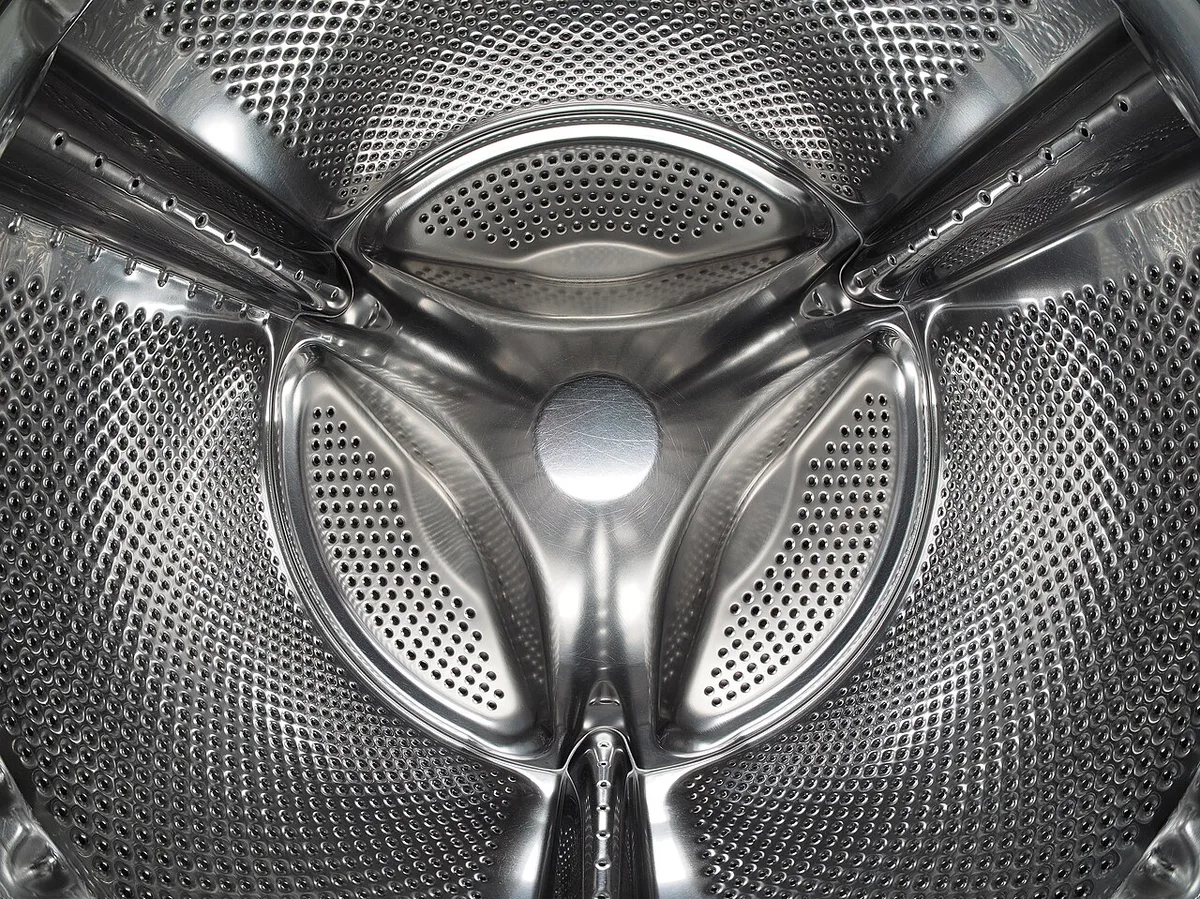
For an assumed routine containing three 4-kilogram loads and one 6-kilogram load, the recorded total is 18 kilograms across four loads, averaging 4.5 kilograms per load. These invented figures describe the example only. The average does not mean every item can be combined, or that a 4.5-kilogram rated programme would accommodate the largest load.
Check loading access as well as the rating
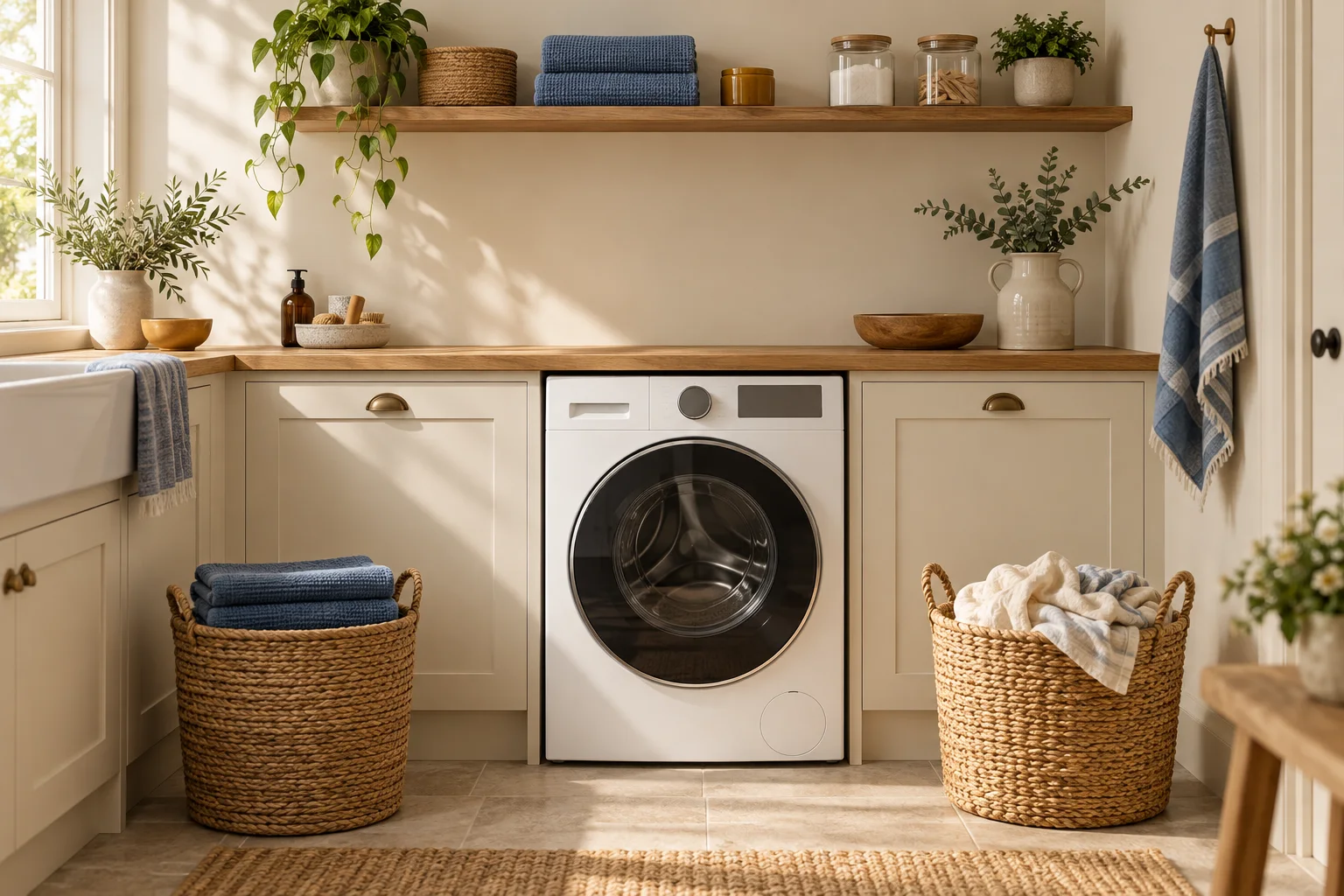
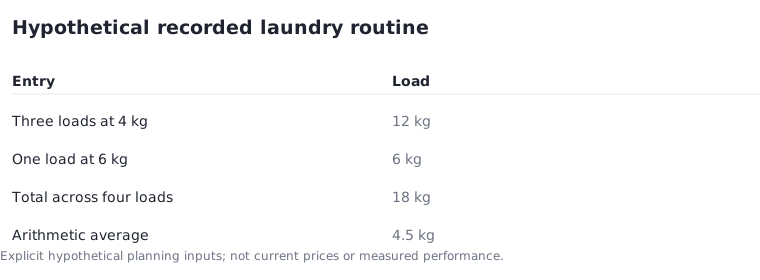
Consider the location of the opening, the space to use it and the practical route for a laundry basket. The top-loading photograph shows a different access arrangement from the front-loading drum. Neither is presented as universally easier to use; the relevant question is how the actual model fits the person and space.
Do not infer installation dimensions or programme capacity from these historical photographs. Obtain the model's official drawing and instructions, and resolve any concerns about reach or access before purchase. A large nominal capacity does not compensate for a position where the appliance cannot be loaded or maintained as intended.
Keep drying capacity a separate question
If the shortlist includes a washer-dryer, read its wash-only and wash-and-dry information separately. Energy Saving Trust describes the two sets of information on the label. Do not assume that an advertised washing capacity is also the capacity for a complete drying sequence.
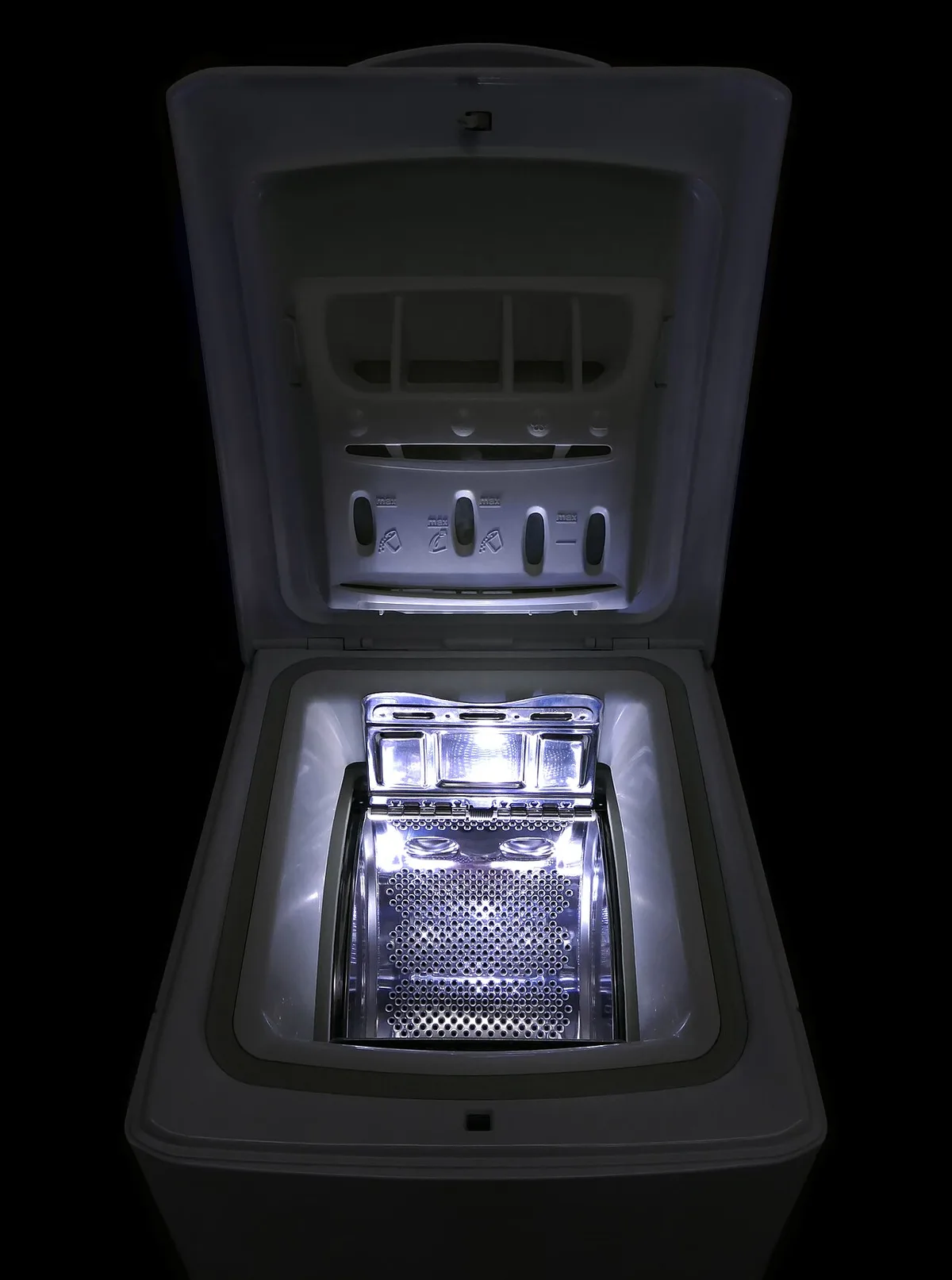
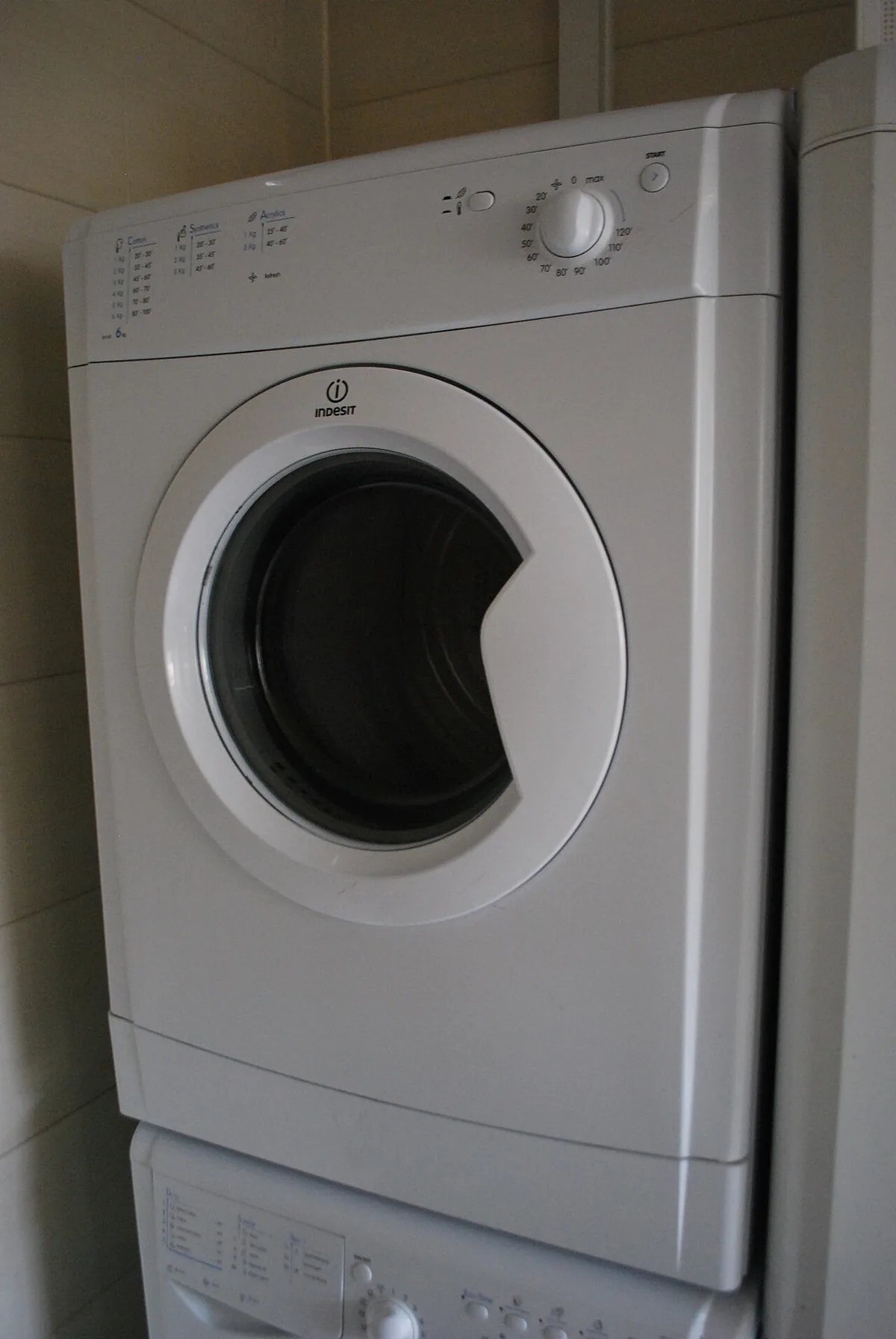
The historical tumble-dryer photograph is included to distinguish a separate drying appliance from a combination machine. It is not a recommended stacking installation or evidence of a current product's performance. Decide which arrangement suits the routine using the exact specifications and installation requirements, rather than treating all laundry appliances as interchangeable.
Energy Saving Trust: home appliance labels ?
Compare suitable options on complete cost
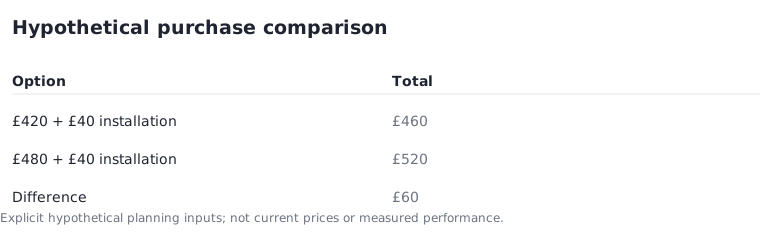
As a hypothetical budget comparison, a £420 machine with £40 installation totals £460. A £480 alternative with the same installation allowance totals £520, a £60 difference before any delivery, removal or accessories. These are invented prices, not current offers or a claim that a larger capacity commands that premium.
GOV.UK's energy-information guidance identifies the product information sheet as part of the regulated information. Save it with the programme table and the complete quotation. A useful shortlist explains which real loads each option can accommodate, what remains uncertain and how the included services differ, without inventing a household-size rule or a performance score.
GOV.UK: energy information and current tumble dryer labelling ?